
Scrophularia cretacea
Scrophularia cretacea
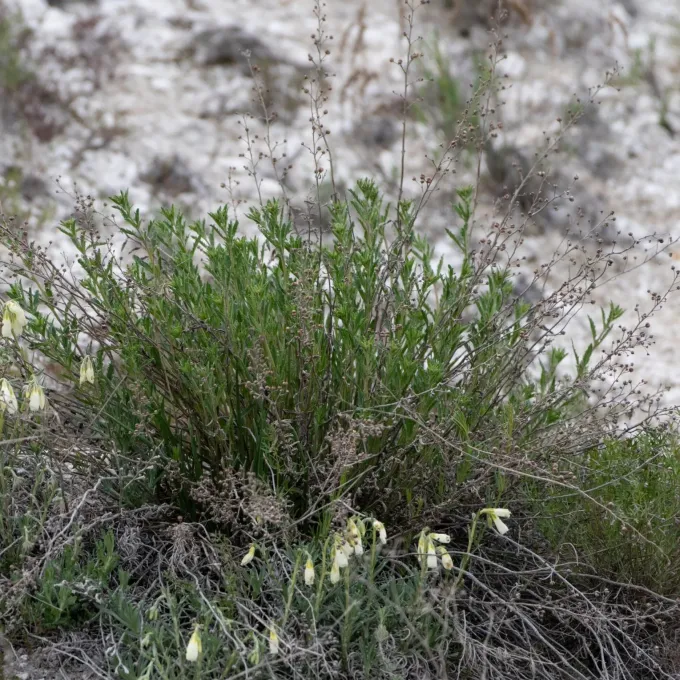
Description
Sowing dates
Scrophularia cretacea is a perennial plant typically propagated via seeds that require a period of stratification to break dormancy. Sowing should ideally be conducted in early spring, utilizing a substrate mix that replicates the chalky, well-draining soils of its native habitat.
When sowing, the seeds should be placed on the surface of the soil with only minimal coverage, as they require light to germinate effectively. Maintaining a consistent, light moisture level is crucial during the germination phase to ensure a high success rate.
The optimal temperature range for the emergence of seedlings is between 15 and 20 degrees Celsius. Once the seedlings have reached a size sufficient for handling, they should be carefully transplanted to prevent damage to their sensitive taproots.
Spacing is a vital consideration during the planting process. Providing each individual plant with sufficient space promotes airflow, which is essential to prevent the accumulation of moisture and the subsequent development of fungal issues.
During the first year, growth is typically focused on establishing the root system and a basal rosette. Therefore, patience is required as the plant develops its strength before entering the blooming phase in subsequent seasons.
Growing requirements
The primary requirement for the successful cultivation of Scrophularia cretacea is the presence of a calcareous, alkaline substrate. The plant thrives in poor, rocky soils that offer excellent drainage, closely mirroring natural chalk outcrops.
This species is highly drought-tolerant and adapted to high-light environments. It necessitates full sun exposure for the vast majority of the day to maintain its structural integrity and produce the characteristic inflorescences.
Water management must be precise, as excessive moisture is the primary cause of decline for this species. Watering should only be performed when the substrate has completely dried out, avoiding any risk of waterlogging.
The plant is resilient to temperature fluctuations, showing a high level of adaptation to the harsh, open environments typical of steppes and chalk hills. It does not require high levels of additional fertilization, as it is evolved to compete in low-nutrient conditions.
Control of surrounding weeds is essential for plant vigor. Due to the slow growth rate of the figwort in its initial establishment phase, competition from invasive grasses or aggressive perennials can severely restrict its expansion.
Main diseases and pests
The most significant threat to the plant's health is fungal infection, particularly root rot, which occurs when the soil remains too damp for an extended period. Proper drainage is the most effective preventative measure against these conditions.
Leaf-chewing insects can cause damage during the active growing season, although the plant's hardy texture provides some natural resistance. Regular monitoring allows for the early detection and management of any pest infestations.
Mechanical damage to the roots or stems can act as an entry point for opportunistic pathogens. Care should be taken during any maintenance activities or weeding to avoid wounding the plant structure.
Humidity management is vital, especially during damp, stagnant weather conditions. Improving air circulation around the plants helps to mitigate the risk of mildew and other surface-borne pathogens.
- Root rot (Phytophthora)
- Powdery mildew
- Leaf beetles
- Bacterial stem rot