
French figwort
Scrophularia canina
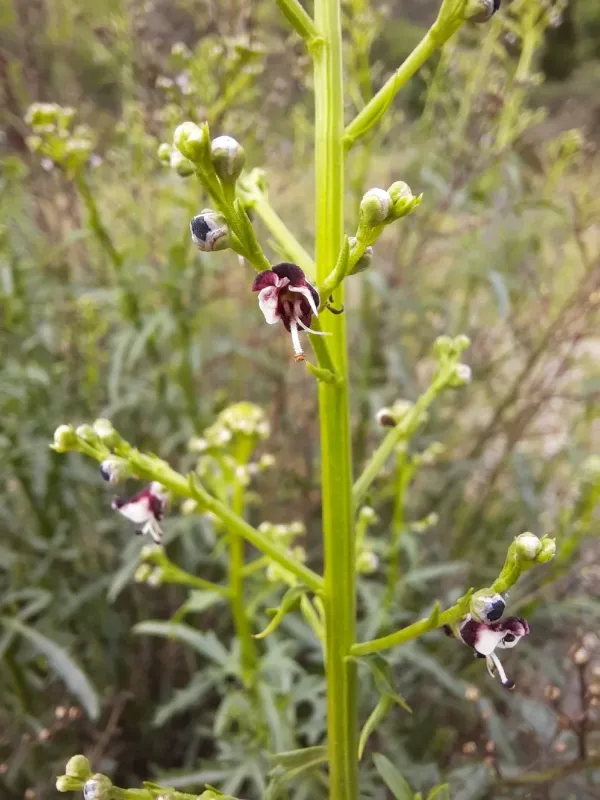
Description
Sowing dates
Sowing Scrophularia canina seeds is most effective when carried out during the spring months once the soil temperature is consistently above 10 degrees Celsius.
It is essential to note that seeds require a cold stratification period to overcome dormancy, making late autumn planting an excellent alternative to artificial pre-treatment.
When starting from seedlings, trays should be placed in well-lit areas, ensuring that the soil remains moist but not waterlogged until the germination phase is complete.
The spacing between individual plants should be maintained at 30–40 centimeters to facilitate adequate airflow, which is critical for reducing the risk of fungal diseases.
Seeds must be sown at a shallow depth, barely covering them with soil, as they require light exposure to trigger the germination process successfully.
Growing requirements
Scrophularia canina belongs to the Scrophulariaceae family and is recognized as a hardy perennial plant typically found in dry, rocky regions across Europe.
The crop thrives in well-drained, sandy, or rocky soils, reflecting its evolutionary adaptation to drier habitats and its intolerance to persistent water saturation.
Optimal growth is achieved in sunny locations, as the plant is highly photophilous and requires significant exposure to direct light for robust vegetative development.
While known for its drought resistance, irrigation should be carefully managed during the peak growing season to ensure sustained health and productivity of the crop.
Soil structure should ideally be loose to prevent compaction, allowing the root system of the figwort to penetrate deep into the ground for nutrient absorption.
Main diseases and pests
The primary threats to this culture are fungal pathogens such as powdery mildew, which thrive in conditions of high humidity and poor ventilation among plantings.
Leaf-eating insects, specifically beetles, are known to feed on the foliage, which can cause significant physiological stress and reduce the plant's overall vigor.
Aphid infestations are common during the flowering stage, necessitating vigilant scouting and the potential application of biological pest control agents.
Root rot, a common issue in poorly drained environments, can quickly decimate a population; therefore, proper soil preparation remains the best preventative measure.
Management of these threats involves regular field inspections and strict adherence to moisture control, ensuring that the environmental conditions remain unfavorable for pathogens.