
Japanese butterfly bush
Buddleja japonica
Description
Growing requirements
The Japanese butterfly bush (Buddleja japonica) is a deciduous shrub species belonging to the Scrophulariaceae family. Native to Japan, this plant has adapted to temperate mountain environments, making it a popular choice for ornamental use in various landscaping projects.
For optimal growth, the plant requires full sun exposure and protection from strong winds. While it is considered relatively hardy, it is important to provide mulching for the root system during harsh winters to prevent damage, especially in colder climatic zones.
The ideal soil conditions for this cultivar include well-drained, nutrient-rich loam with a neutral to slightly alkaline pH. Proper soil drainage is essential, as the species is susceptible to root rot if it is subjected to constant moisture or stagnant water in the soil profile.
Agronomic practices for this species focus on consistent hydration and seasonal nutrient supply. Applying fertilizers during the early spring encourages vigorous shoot development, which is necessary for producing the abundant, drooping panicles that bloom later in the season.
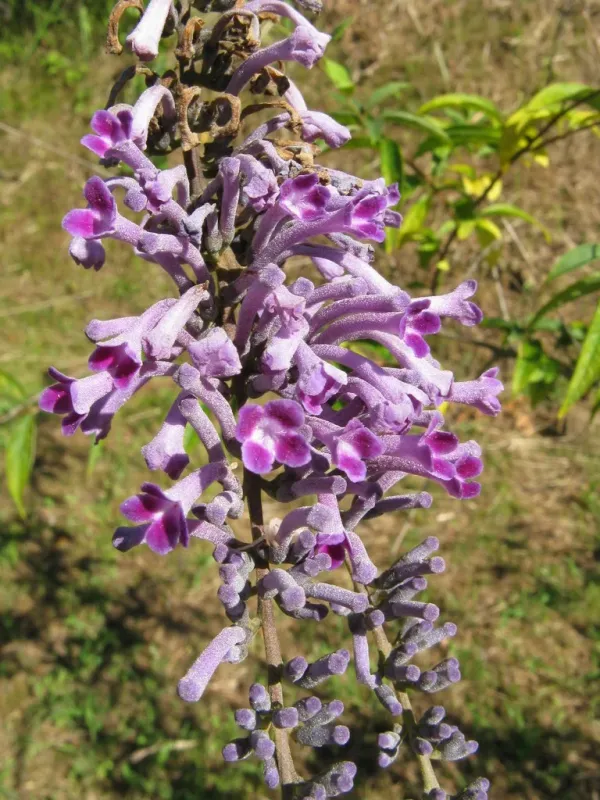
Morphologically, the plant is characterized by its lanceolate leaves and long, slender flower clusters. These features allow it to serve as both an aesthetic focal point in the garden and a significant source of nectar, attracting various species of pollinators throughout the blooming season.
Main diseases and pests
Key pests that frequently affect Buddleja japonica include aphids, spider mites, and whiteflies, especially during hot and dry weather conditions. Integrated pest management strategies, such as biological control or selective pesticide application, are recommended to maintain plant health.
Pathogens like powdery mildew and various leaf spot diseases can manifest when air circulation is limited or when humidity levels remain consistently high. Ensuring proper plant spacing and performing systematic pruning helps promote airflow and reduces the risk of fungal infections.