
Vasey's pondweed
Potamogeton vaseyi
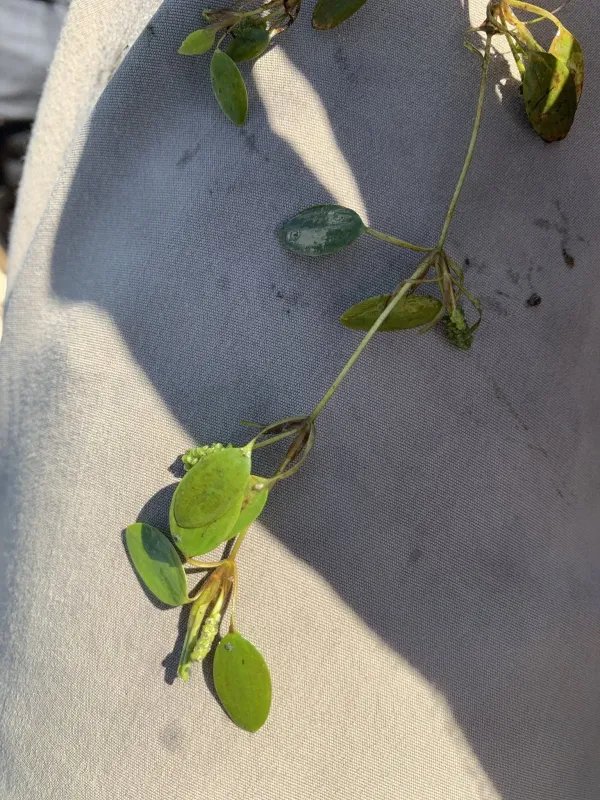
Description
Growing requirements
Vasey's pondweed (Potamogeton vaseyi) is an aquatic perennial plant belonging to the Potamogetonaceae family. It is primarily native to North American freshwater habitats, typically found in ponds, lakes, and slow-moving streams.
Botanically, the species is distinguished by its dimorphic leaves, featuring slender submerged foliage and distinct floating leaves on the surface. This adaptation allows the plant to efficiently utilize both submerged mineral resources and atmospheric carbon dioxide.
The plant requires clear, nutrient-stable water to thrive. It acts as a bio-indicator of water quality, as it is highly sensitive to excessive nitrates and chemical pollutants that typically runoff from surrounding agricultural lands.
Substrate requirements include fine-textured, organic-rich silts or sandy-mud bottoms. The roots are adapted to anchor the plant firmly, though they are primarily structural rather than primary nutrient intake organs.
While not a major commercial crop, Vasey's pondweed is utilized in ecological restoration projects to support biodiversity in small aquatic ecosystems. It requires minimal management provided the water clarity and chemical composition remain within natural bounds.
Main diseases and pests
The primary threat to the stability of Vasey's pondweed populations is water pollution, particularly nutrient loading that triggers algal blooms. These blooms block sunlight, which is critical for the submerged portion of the pondweed.
Invertebrate pests, such as various pond-dwelling larvae, may occasionally feed on the floating leaves. While usually not fatal to the entire population, heavy infestations can reduce the plant's overall vigor and reproductive success.
Herbicides used for agricultural weed control on nearby fields often contaminate aquatic systems. Even in trace amounts, these chemicals can cause tissue necrosis and inhibit the growth of sensitive aquatic species like Potamogeton vaseyi.
Pathogenic fungi can infect the stems and leaves if the water becomes stagnant or overly warm for extended periods. Maintaining proper water movement is the most effective cultural method to prevent such disease outbreaks.
Competition from invasive species remains a significant challenge. Species like Eurasian watermilfoil can rapidly colonize space, outcompeting Vasey's pondweed for light and space in nutrient-rich freshwater environments.