
Spotted pondweed
Potamogeton pulcher
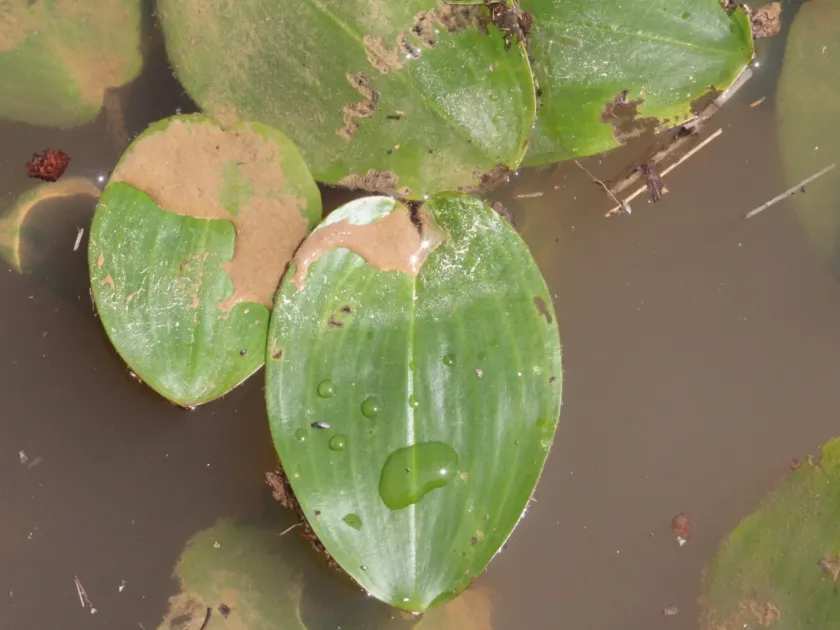
Description
Growing requirements
Spotted pondweed (Potamogeton pulcher) is a perennial aquatic plant belonging to the Potamogetonaceae family. As a typical hydrophyte, it thrives in stagnant or slowly moving water bodies with muddy or sandy substrates.
The botanical profile of this species includes pronounced heterophylly, where submerged leaves are different in morphology from the leathery, floating leaves that appear on the water surface during the growing season.
Its natural range encompasses temperate and subtropical climates, particularly in North America. The plant requires significant sunlight exposure and is typically found in shallow, nutrient-rich environments that support stable aquatic ecosystems.
Environmental requirements include a balanced chemical composition of water with low levels of synthetic pollutants, as the plant acts as a natural bioindicator of water quality and ecosystem health.
While not a traditional agricultural crop, its management is often linked to pond maintenance, where it provides essential shelter for fish fry and contributes to the oxygenation of the water column through photosynthesis.
Main diseases and pests
The primary threat to Spotted pondweed is the process of eutrophication in water bodies, which leads to excessive algal blooms and subsequent shading, limiting the plant's ability to photosynthesize.
Invasive plant species can outcompete the pondweed, occupying the light-exposed areas of the water surface and restricting the spread of its colonies.
Herbivorous aquatic animals, including invasive carp species, often graze heavily on the biomass, significantly reducing the density of the patches and impacting the local biodiversity.
Pathogenic organisms, including fungi and water-borne bacteria, thrive in stagnant water with high organic content, leading to the decay of the submerged foliage and rhizomes.
Human activities, such as dredging and the application of aquatic herbicides, represent direct risks that can lead to the total disappearance of local populations if not carefully managed.