
Potentilla geranioides
Potamogeton geranioides
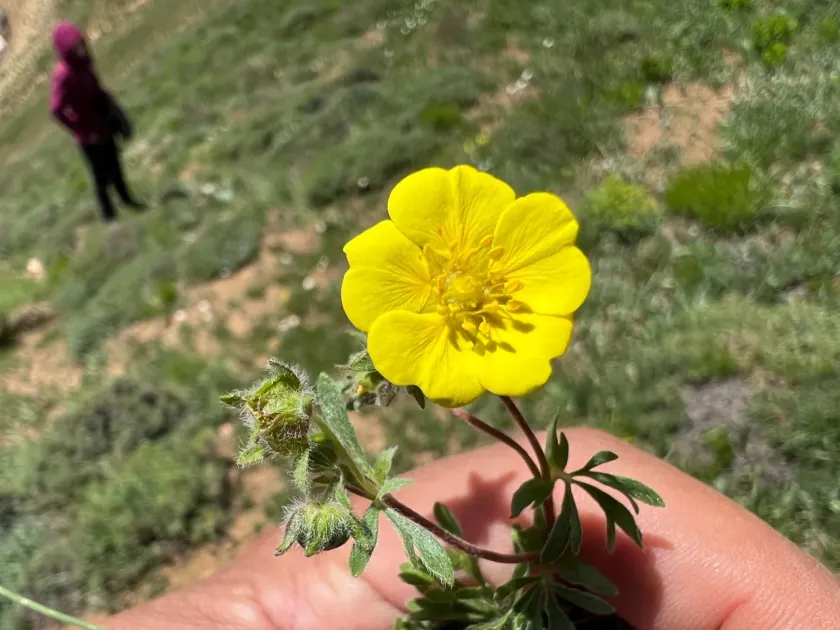
Description
Growing requirements
Potentilla geranioides belongs to the Rosaceae family. This perennial herb originates from high-altitude regions, specifically thriving in alpine and subalpine zones. Its biology is tightly linked to thin, well-drained soils and high-intensity solar radiation environments.
The plant requires rocky or sandy substrates with excellent drainage properties to succeed in cultivation. It is highly sensitive to moisture accumulation around the root collar, making well-aerated soil compositions essential for its survival and long-term health.
Climatic requirements are focused on cool temperatures and adequate air circulation. In agricultural and horticultural settings, it performs best in regions where summer temperatures do not reach extreme highs, as high humidity and heat stress can cause rapid decline.
Agrotechnical management involves selecting sunny sites that replicate its natural rocky habitat. Minimal fertilization is recommended, as the plant is adapted to nutrient-poor soils; excessive nitrogen application can lead to lush but weak growth prone to diseases.
The primary use of Potentilla geranioides is in rock gardens and mountain-style landscaping. Its compact growth habit, combined with its distinct geranium-like foliage and early flowering, makes it a highly desirable species for specialized decorative plantings.
Main diseases and pests
The most significant threats to this culture are associated with improper water management, leading to root rot pathogens. Species of Fusarium and Pythium are common culprits when soil conditions remain persistently wet and poorly aerated.
In terms of insect pests, spider mites are the most persistent problem, especially in dry, warm climates. These pests feed on the foliage, causing chlorosis and potentially severe plant debilitation if not controlled early in the season.
Disease management relies heavily on prevention through site selection and soil modification. By ensuring the substrate remains porous and avoiding overhead irrigation during humid weather, the risk of fungal infections is significantly mitigated.
Pest control should prioritize integrated methods, starting with water sprays to deter mites or the application of organic soap solutions. Chemical interventions with acaricides are reserved for infestations that exceed established economic thresholds.
Maintenance practices, such as removing senescing foliage and ensuring good airflow around the plants, are crucial. By keeping the base of the plant clean and dry, growers can protect the specimen from common high-altitude pathogens and pests.