
Potamogeton cristatus
Potamogeton cristatus
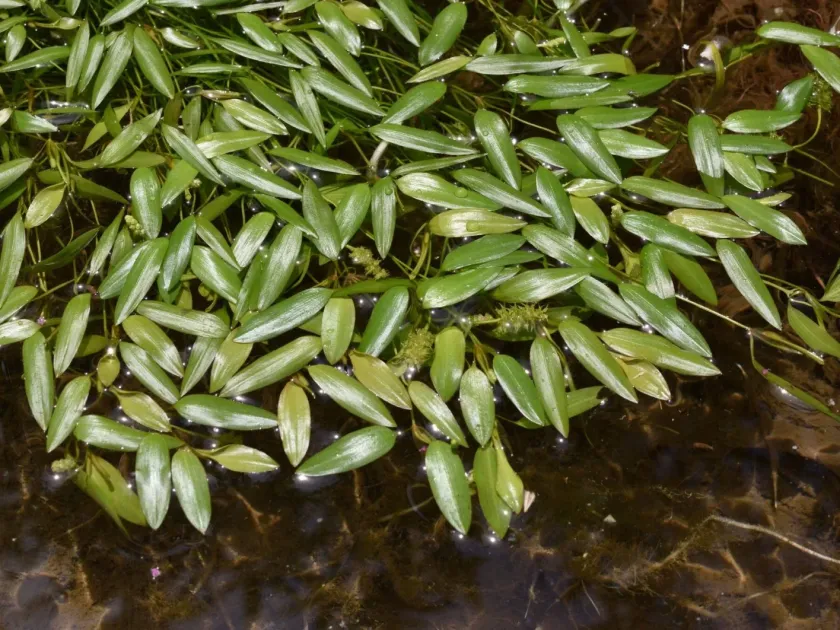
Description
Sowing dates
Potamogeton cristatus, belonging to the Potamogetonaceae family, is a perennial aquatic plant that propagates primarily through vegetative means using rhizomes and specialized wintering buds known as turions.
In natural environments, propagation occurs through water currents or migratory birds. In artificial ponds, planting is performed in the spring when water temperatures reach 10–12 degrees Celsius.
Planting involves embedding rhizome fragments into the bottom substrate at a depth of 10–20 centimeters. Planting density depends on the intended use of the water body, typically requiring a few clusters per square meter of bottom area.
Successful establishment requires minimal water movement during the first weeks after planting. Young plants need a stable water level to prevent the drying of near-shore areas.
The culture exhibits a high rate of regeneration, allowing it to quickly colonize open areas. In agricultural management, it is essential to monitor growth to prevent excessive encroachment into the open water.
Growing requirements
Potamogeton cristatus prefers still or slow-flowing freshwater with soft or silty bottoms. An optimal water pH range of 6.5–8.0 is required to maintain efficient photosynthetic processes.
This species is light-demanding and thrives at depths between 0.5 and 1.5 meters. Inadequate sunlight reduces growth intensity and can lead to the deterioration of vegetative organs.
The plant is well-adapted to temperate climate zones. It successfully survives under ice cover, maintaining the viability of its turions, which produce new shoots once spring arrives.
Soil composition is of secondary importance; however, sufficient organic matter in bottom sediments promotes a more robust root system. Excessive nitrates in the water may trigger aggressive growth cycles.
Water clarity is a critical factor; turbidity caused by suspended particles or algal blooms negatively impacts the metabolism of the pondweed.
Yield
The economic value of this pondweed lies in its significant biomass, which can reach several tons per hectare under favorable conditions. Yield is highly dependent on the trophic status of the water body.
The plant serves as a vital component of the food base for herbivorous fish, such as grass carp. In aquaculture, it is utilized as a natural source of protein and vitamins for juvenile fish.
Used as green manure or organic fertilizer, the biomass must first be dried. Its high nitrogen content makes processed plant material a valuable component for composting.
The culture contributes to improved water quality by absorbing excess mineral salts, making it a useful tool for the biological treatment of wastewater in fish ponds.
Regular harvesting allows for the regulation of biomass levels, preventing the plant from completely covering the water surface, which is crucial for maintaining oxygen balance during the summer.
Main diseases and pests
Primary pests include various aquatic insects, specifically chironomid larvae and leaf beetles that damage the foliage, leading to reduced photosynthetic capacity.
Diseases are mostly caused by pathogenic fungi that infect stems during periods of stagnant water and high temperatures, leading to tissue decay and biomass loss.
Competition with aggressive invasive algae or other weeds can lead to the displacement of Potamogeton cristatus. Managing competing aquatic plants requires targeted intervention.
- Damage from foliar-feeding insects.
- Fungal infections in overly dense populations.
- Nutrient competition with phytoplankton.
The most effective protection method involves maintaining optimal planting density and performing regular monitoring. In cases of severe infestations, biological treatment is recommended.
Harvesting
Harvesting is performed during the peak growing season, usually in mid-summer, when the plant reaches its maximum vegetative mass before the onset of flowering and seed production.
Mechanical mowers mounted on flat-bottomed boats are used for harvesting. It is critical to ensure the cut is performed at a depth that does not damage the rhizomes, ensuring future regrowth.
Harvested material must be removed from the water immediately; otherwise, decomposition can cause dissolved oxygen levels to drop, potentially harming fish stocks.
Drying is carried out in open areas with mandatory turning of the material. The product should be stored in dry, ventilated areas protected from moisture and pests.
On an industrial scale, processing includes shredding and pelletizing the biomass for use in the feed industry.