
Sorghum almum
Sorghum x almum Parodi
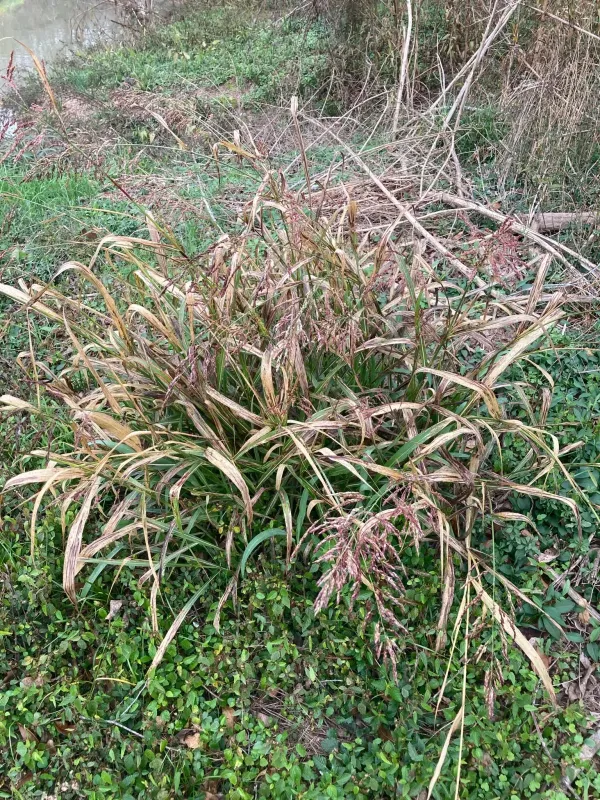
Description
Sowing dates
Sowing Sorghum x almum (Columbus grass) should only commence when the soil temperature at a 10 cm depth reaches at least +12…+14°C. Planting in cold, wet soil can lead to poor germination and weak seedling establishment.
The ideal planting window is late spring or early summer when heat levels are consistently rising. Early planting exposes the sensitive seedlings to potential late frosts, which can severely stunt the crop’s development.
Seeds should be planted at a depth of 3 to 5 cm, depending on the soil moisture and texture. In lighter, sandy soils, slightly deeper planting is recommended to ensure the seed has adequate moisture for successful emergence.
Seeding rates typically range from 15 to 25 kg per hectare, depending on the intended use—whether for pasture or harvested fodder. High-density planting is preferred for hay production to prevent the stems from becoming too coarse.
Standard row spacing of 15–30 cm is usually employed. Using modern seeding equipment ensures uniform depth and spacing, which is crucial for achieving a balanced plant stand and maximizing the final biomass yield per hectare.
Growing requirements
Sorghum almum is a robust member of the Poaceae family, highly valued for its exceptional drought tolerance. It utilizes a C4 photosynthetic pathway, allowing it to maintain growth during high temperatures and water stress.
It thrives in fertile, well-drained soils, including loams and clays, provided there is no long-term waterlogging. While it can adapt to lower-fertility soils, significant yield gains are observed with proper fertilization.
The crop requires full sun exposure to flourish. Reduced light availability can decrease sugar accumulation in the stems, negatively impacting the nutritional density and palatability of the forage produced for livestock.
Although it is known as a drought-tolerant plant, irrigation during dry spells significantly boosts biomass production. Responsive irrigation management allows for multiple cuttings throughout the growing season.
Optimal nitrogen and phosphorus application at the start of the season is essential. Since the crop has a high growth energy, providing sufficient nutrients supports rapid regrowth after each grazing or harvesting cycle.
Yield
The yield potential of Sorghum almum is impressive, often outperforming many other warm-season grasses. Under optimal management, it can provide three to four high-quality harvests per growing season.
Its unique ability to regenerate rapidly from the base makes it an ideal candidate for intensive grazing systems. It establishes a deep root system that serves as a reservoir for energy, facilitating quick recovery after defoliation.
Average yields in rain-fed conditions are substantial, ranging from 40 to 60 tons of green matter per hectare. With supplemental irrigation and adequate fertilization, these numbers can be significantly increased for intensive farm operations.
Timing the harvest is critical for maintaining quality. Harvesting at the late vegetative or early booting stage ensures the best balance between total volume and nutritional value, specifically protein content and digestibility.
Seed production requires careful management of the stand density and timing. Harvesting should occur when the heads reach physiological maturity to prevent shattering and losses in the field due to bird activity.
Main diseases and pests
The most significant pathological threats to this crop include smut fungi, which primarily target the inflorescences. These diseases can destroy the seed heads and reduce the overall health of the pasture stand.
Bacterial leaf spot can be a concern in humid conditions, manifesting as lesions that limit photosynthetic efficiency. This leads to reduced plant vigor and lower biomass production over the course of the growing season.
Pests such as aphids and various caterpillars can infest the crop, damaging young tissues and stems. Early detection and monitoring are vital to prevent large-scale damage that could weaken the stand before harvest.
Seed treatment with systemic fungicides is a standard preventative measure against soil-borne pathogens. This ensures that the seedlings get a healthy start and are not compromised by early fungal infections.
Integrated pest management, including the use of targeted insecticides, may be necessary during periods of high pest pressure. Always ensure that the withholding periods are respected before allowing livestock to graze on treated fields.
Harvesting
Harvesting for green fodder or silage should occur before the flowering phase. At this point, the stems are at their highest nutritional value, before they become lignified and difficult for livestock to digest.
Mechanical harvesting must be performed with proper equipment settings to ensure a clean cut. Maintaining a proper stubble height of 10–15 cm is essential to allow the plant to store energy for subsequent regrowth cycles.
If the material is intended for hay, it must be conditioned and turned frequently. Because Sorghum almum stems are juicy, they require sufficient sun exposure to dry down to a moisture level suitable for safe storage.
Ensiling is often the preferred method for managing high-volume harvests. The chopped green matter packs well into silage pits or bags, where fermentation preserves the nutrients effectively for long-term winter feeding.
Post-harvest residues, if not removed, provide excellent organic material for the soil. Incorporating these residues after the final harvest helps build soil organic carbon and improves overall soil structure for future seasons.