
Makarikari grass
Panicum coloratum L. var. makarikariensis Gooss.
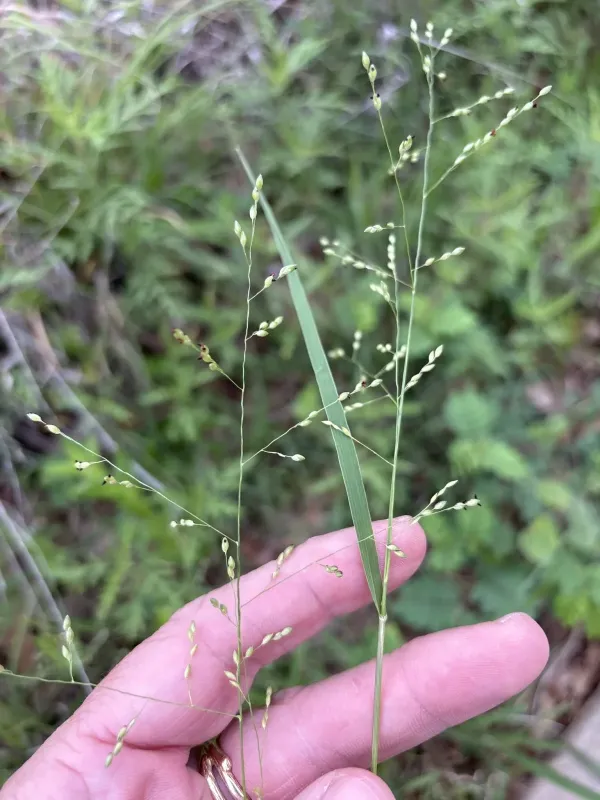
Description
Sowing dates
Sowing of Makarikari grass (Panicum coloratum var. makarikariensis) is typically performed in spring or early summer when soil temperatures are consistently warm enough to support germination. Optimal soil temperatures for sowing range between 15°C and 18°C.
To establish a productive stand, seeds should be sown in rows spaced 20 to 50 cm apart, depending on whether the primary goal is hay production or grazing. Due to the small seed size, they require shallow planting at a depth of 1 to 2 cm to ensure proper contact with moisture.
Seedbed preparation is crucial; the soil should be firm and free of weeds, which can significantly outcompete the young seedlings during the initial establishment phase. Consistent soil moisture is necessary for the first two weeks post-sowing to ensure uniform emergence.
Seeding rates typically range from 4 to 8 kg per hectare for row-based cultivation. When overseeding pastures, it is often necessary to suppress existing vegetation via mechanical or chemical means to allow the Makarikari grass to establish effectively.
This grass possesses a strong tillering ability, allowing the stand to thicken over time and effectively cover bare soil, which helps in weed suppression and soil stabilization.
Growing requirements
As a member of the Poaceae family, Makarikari grass is a warm-season perennial known for its exceptional drought tolerance. Originating from Southern Africa, it is highly adapted to high-light environments and thrives in hot, sunny conditions.
This plant is versatile regarding soil types and can perform well even in heavy clay soils that are prone to temporary waterlogging or moderate salinity. This adaptability makes it a valuable candidate for land where other improved forage grasses might struggle.
Optimal growth occurs in regions receiving 400 to 800 mm of annual rainfall. While the plant is drought-hardy, supplemental moisture during peak growth stages significantly enhances total vegetative biomass and overall forage nutritional content.
Temperature is the primary driver of development; the grass enters a rapid growth phase as night temperatures rise. While frosts may damage the above-ground foliage, the robust root system remains dormant and dormant, allowing the plant to regrow quickly when conditions improve.
It is advisable to avoid sites with permanent standing water. Although the grass tolerates wet soil, prolonged saturation can impede root health and may compromise the stand's long-term winter hardiness and productivity.
Yield
The yield of green biomass depends heavily on mineral nutrition, particularly nitrogen availability, which should be applied after each cutting to promote regrowth. Under favorable conditions, the grass can support 3 to 4 cuts per season.
Average dry matter yields range from 6 to 12 tons per hectare, depending on the management intensity, rainfall, and soil fertility. Intensive production systems require regular fertilization schedules to maintain these output levels.
The foliage is highly palatable and contains a good balance of protein and digestible nutrients, provided the grass is harvested before the stems become overly lignified. Timely harvesting ensures high-quality forage for livestock.
When used for pasture, its ability to recover rapidly after grazing makes it an excellent choice for rotational grazing systems, providing reliable feed quality throughout the growing season.
The yield consistency of Makarikari grass during dry spells distinguishes it from many temperate pasture grasses, making it a critical asset for livestock producers operating in regions prone to climate-related forage shortages.
Main diseases and pests
Makarikari grass is known for its strong natural resistance to most common grass-related diseases. However, in exceptionally humid or poor management conditions, rust and various smut diseases can occasionally occur.
Soil-dwelling larvae, such as wireworms, can pose a risk to the root systems of newly established stands. Integrated pest management strategies, including field monitoring, are recommended to mitigate these issues during the early growth stages.
Some regions report minor issues with cicadas or aphids, which can act as vectors for viral infections. Proactive monitoring and maintaining stand vigor are the best defenses against these localized infestations.
Good agricultural practices, such as ensuring proper plant density and preventing excessive soil moisture accumulation, are the primary methods for disease prevention. Maintaining soil health through rotation and balanced nutrition supports the plant's inherent defenses.
Although it can remain productive in the same field for 5 to 7 years, monitoring for pathogen buildup in the soil is recommended to ensure the long-term sustainability of the perennial stand.
Harvesting
Harvest timing is dictated by intended use: for high-quality hay, the crop should be harvested during the booting or early flowering stage before the nutritional value begins to decline.
When producing silage or haylage, it is essential to cut the crop before stem lignification becomes excessive, as higher fiber content reduces palatability and overall digestibility for livestock.
A cutting height of at least 8 to 10 cm is necessary to facilitate rapid regrowth. Cutting too close to the ground can exhaust the plant's carbohydrate reserves, delaying recovery and reducing the yield of subsequent cuts.
In grazing scenarios, rotational grazing is preferred. This approach provides the grass with recovery periods, ensuring that the roots remain fueled and the foliage stays nutritious for the livestock.
For seed harvesting, crops should be gathered when the panicles show signs of darkening. Using gentle threshing techniques is critical to prevent mechanical damage to the fine seeds and ensure high germination rates.