
Thyme-leaved speedwell
Veronica thymifolia
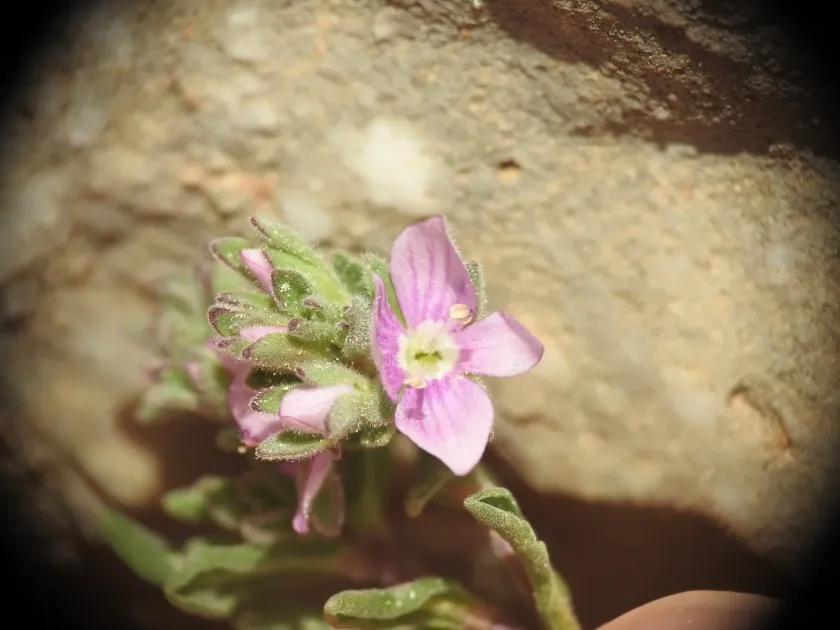
Description
Growing requirements
Thyme-leaved speedwell (Veronica thymifolia) is a perennial herbaceous plant belonging to the Plantaginaceae family. This species is recognized for its compact growth habit, making it an excellent candidate for rock gardens and ground cover.
Originating from the mountainous regions of Southern Europe, the plant is naturally adapted to high-altitude environments where well-drained, nutrient-poor soil is standard. Its geographic distribution is limited to rocky terrains.
The plant thrives in full sun exposure. Adequate light is crucial for maintaining its distinctive, dense, thyme-like foliage and promoting profuse flowering during the growing season.
Regarding soil requirements, it prefers slightly alkaline to neutral pH levels. It is highly sensitive to waterlogging; therefore, the substrate must be coarse, porous, and well-aerated to prevent root asphyxiation.
In terms of climate, it is a hardy species capable of withstanding cold winters, provided there is enough snow cover or sufficient drainage to prevent ice formation around the root collar.
Main diseases and pests
The primary threats to Veronica thymifolia are related to environmental stressors, specifically excessive humidity and inadequate airflow, which promote the growth of harmful pathogens.
Powdery mildew represents a significant risk during periods of high humidity and moderate temperatures, manifesting as a white fungal growth on the leaves.
Root rot is the most devastating condition, usually triggered by poor drainage or overwatering. Once established, it can destroy the root system in a very short time.
Common insect pests include aphids and spider mites. These pests thrive in dry conditions and can cause significant damage to young vegetative growth if left uncontrolled.
Preventive maintenance, such as ensuring proper spacing between plants and avoiding overhead irrigation, is essential to mitigate these biological threats and ensure plant health.