
Large speedwell
Veronica teucrium
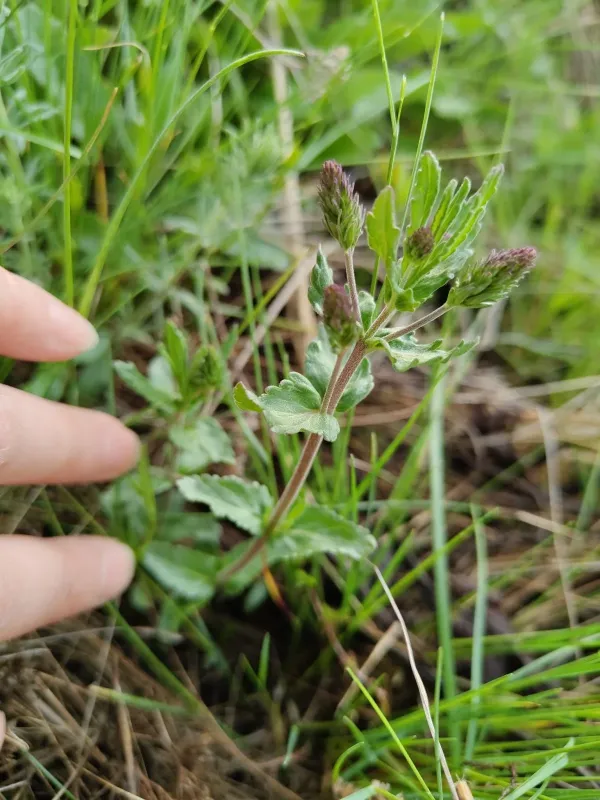
Description
Growing requirements
Veronica teucrium, commonly known as large speedwell, belongs to the Plantaginaceae family. It is a perennial herbaceous plant native to European and Western Asian landscapes, thriving in meadows and rocky outcrops.
The plant exhibits remarkable hardiness and drought tolerance, making it an excellent choice for regions with moderate water availability and varying seasonal temperatures.
Successful cultivation requires sunny locations with well-draining soil. It is particularly well-adapted to sandy or loamy soils that do not retain excess moisture during the dormant season.
In terms of agricultural management, large speedwell requires minimal soil preparation. Maintaining a neutral soil pH level is beneficial for optimizing nutrient uptake and plant health.
Regular maintenance involves keeping the plots clear of aggressive weeds during the establishment phase, after which the plants form dense colonies that suppress invasive growth.
Main diseases and pests
Although generally considered a resilient plant, Veronica teucrium may be susceptible to fungal diseases such as powdery mildew, especially in sites with poor air circulation.
Insects like aphids and certain larvae may target the foliage during the early stages of growth, potentially impacting the visual or vegetative quality of the stand.
To mitigate disease pressure, it is essential to follow recommended spacing guidelines, ensuring sufficient airflow between individual plants or rows.
If pest populations exceed economic thresholds, appropriate biological or chemical control agents may be deployed as part of an integrated pest management strategy.
Sanitation practices, such as removing debris and dead foliage after the growing season, are highly effective in reducing the overwintering potential of pathogens.