
Veronica panormitana
Veronica panormitana
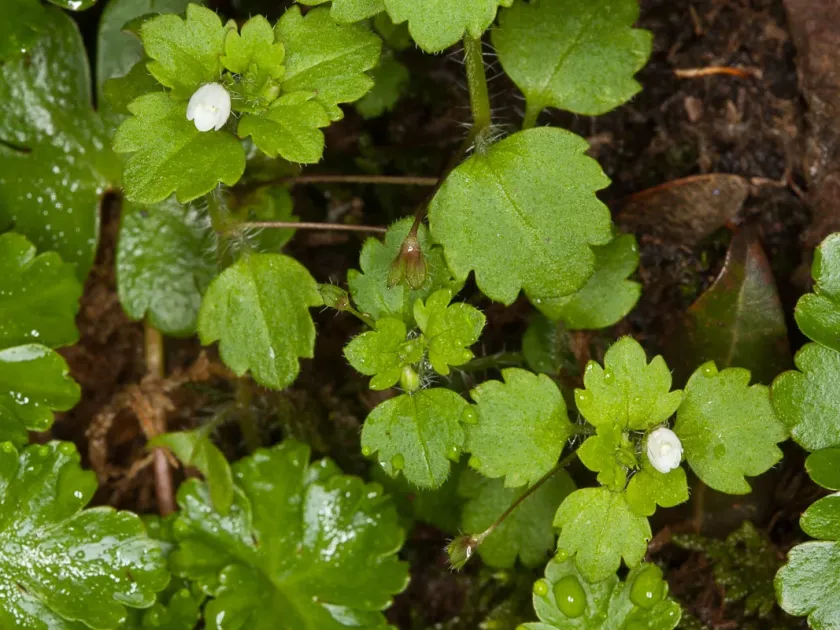
Description
Growing requirements
Veronica panormitana is a herbaceous species belonging to the Plantaginaceae family. Originally from the Mediterranean, this plant is valued for its unique botanical structure and adaptability.
The plant thrives in well-lit environments and requires full sun to partial shade. Ensuring adequate light exposure is crucial for maintaining the plant's characteristic compact habit and foliage density.
Soil requirements focus on excellent drainage capabilities. Heavy, waterlogged soils are detrimental to the root system and should be avoided or amended with organic matter and sand.
Regarding moisture, the plant prefers consistent, moderate irrigation. While it can withstand short periods of drought once established, its aesthetic quality significantly improves with regular watering schedules.
In terms of cultivation, applying a balanced, slow-release fertilizer during the early spring encourages vigorous growth and sustained flowering throughout the primary growing season.
Main diseases and pests
The primary agronomic challenges involve fungal pathogens, such as powdery mildew, which often flourish in conditions with high humidity and poor air circulation around the plant base.
Insects like aphids and spider mites are the most common pests. They typically appear during warm, dry spells and can stunt plant development if not addressed during the early stages of infestation.
Maintaining proper spacing between individual plants is the most effective preventative measure against disease outbreaks, ensuring sufficient airflow to keep the foliage dry.
Integrated pest management, including the use of neem oil or insecticidal soaps, is recommended when pest populations exceed acceptable thresholds in horticultural settings.
Effective seasonal maintenance, including the removal of debris and dead stems, helps to eliminate potential overwintering sites for harmful pathogens, thereby securing the next season's health.