
Veronica orsiniana
Veronica orsiniana
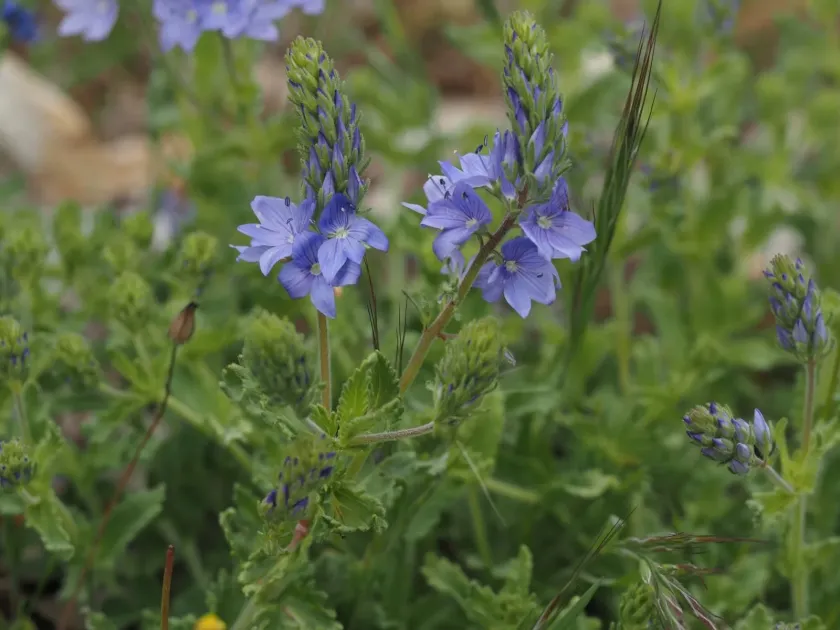
Description
Growing requirements
Veronica orsiniana is a hardy perennial belonging to the Plantaginaceae family. Originally native to Mediterranean mountainous regions, this species is well-adapted to rocky, well-drained soils and demonstrates significant resilience in various garden conditions.
Botanically, the plant features erect stems typically reaching 20–40 cm in height, adorned with lanceolate foliage. Its most distinctive feature is the dense, raceme-like inflorescence composed of small, deep blue to violet flowers, which appear during the primary growth season.
Cultivation requirements include full sun exposure or partial shade. While the plant is drought-tolerant once established, providing regular but moderate moisture will significantly improve flower production and overall health throughout the summer months.
Optimal soil conditions are characterized by excellent drainage and neutral to slightly acidic pH levels. Incorporating gravel or coarse sand into the planting hole is highly recommended if the native soil is prone to compaction or water retention.
In landscaping, Veronica orsiniana serves as an excellent groundcover or border plant. Its compact habit makes it particularly suitable for rock gardens, gravel beds, and mixed perennial borders where a consistent, low-maintenance display is desired.
Main diseases and pests
Like many species in the genus, Veronica orsiniana is primarily threatened by fungal pathogens if environmental conditions are suboptimal. Excess humidity around the crown is the leading cause of crown rot and other soil-borne diseases.
Powdery mildew is another potential concern, especially in climates with high humidity and poor air circulation. Ensuring adequate spacing between plants is the most effective preventative measure against such outbreaks.
Pest pressure is relatively low for this species, although occasional infestations of aphids may occur during early spring growth. Integrated pest management, including natural predators or mild horticultural soaps, is usually sufficient to handle minor attacks.
Garden hygiene is vital; removing spent flowers and debris helps prevent the spread of fungal spores and maintains the plant's aesthetic value. Proper sanitation reduces the need for heavy chemical treatments over the growing season.
In summary, consistent monitoring and careful water management are the cornerstones of successful cultivation. Providing a site with sufficient airflow and avoiding saturated soil will allow this perennial to thrive for many years without specialized intervention.