
Veronica ornata
Veronica ornata
Description
Growing requirements
Veronica ornata is a perennial herbaceous plant belonging to the Plantaginaceae family. Originating from East Asia, this species is known for its elegant habit and striking flowers, making it a valued subject in ornamental horticulture.
The plant thrives in well-drained, fertile soil with a neutral to slightly acidic pH. It prefers sunny locations but performs exceptionally well in partial shade where soil moisture is kept consistent throughout the growing season.
Regarding climate, this species favors temperate conditions with moderate rainfall. It is hardy and capable of surviving cold winters, provided that the soil does not become waterlogged during the dormant period, which could damage the root system.
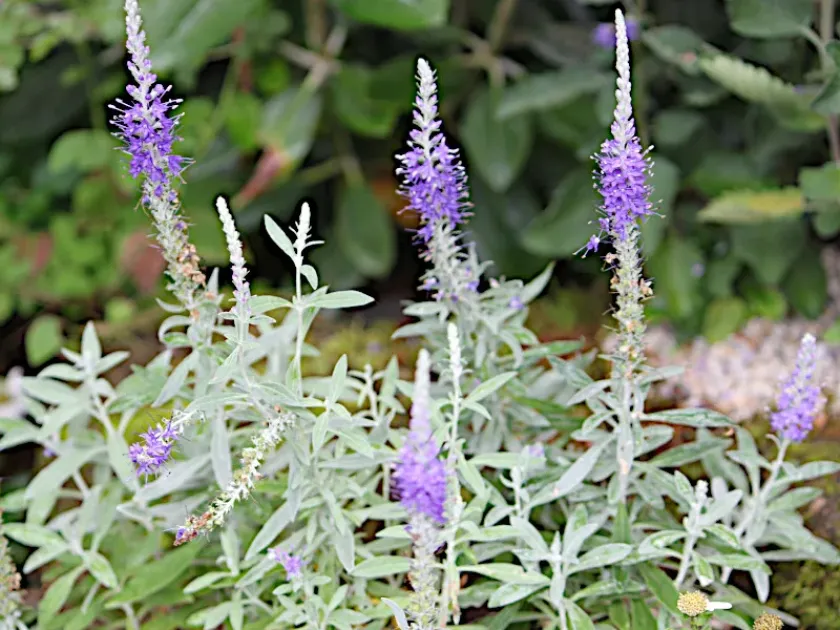
Botanically, it is characterized by upright, leafy stems and terminal racemes of vibrant blue flowers. Its compact growth habit makes it suitable for rock gardens, borders, and managed perennial landscapes.
The primary use of this culture is ornamental. It is widely planted for its aesthetic appeal and ecological compatibility with other native and introduced perennial species in garden settings.
Main diseases and pests
Powdery mildew is the most common fungal issue affecting Veronica ornata, especially in humid conditions with poor air circulation. Improving spacing and ensuring proper drainage are key preventative measures against this disease.
Aphids often target new, succulent growth during the early summer months. If left unmanaged, these pests can cause leaf curling and reduce the overall vigor of the plant, necessitating soap-based sprays or systemic insecticides.
Root rot, driven by excessive moisture or heavy clay soils, can be fatal. Gardeners must ensure that the planting site has sufficient porosity to allow excess water to escape rapidly, especially during spring thaws.
Leaf-eating insects, such as caterpillars, can occasionally cause damage to foliage. Manual removal is often sufficient for small garden patches, while larger plantings might require integrated pest management strategies.
Maintenance of soil hygiene, including the removal of dead plant material at the end of the season, is crucial to prevent the overwintering of pathogens that could affect the crop in the following year.