
Veronica orchidea
Veronica orchidea
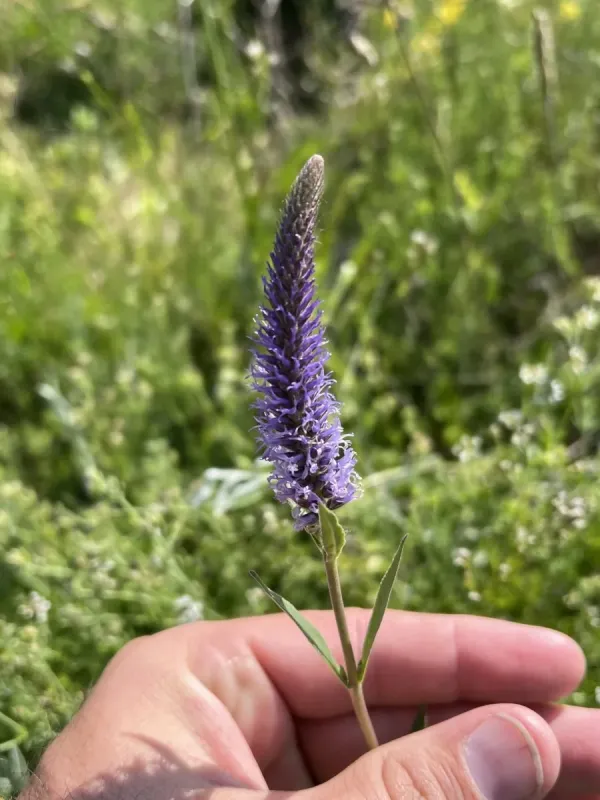
Description
Sowing dates
Veronica orchidea belongs to the Plantaginaceae family and is recognized as a hardy perennial suitable for both rock gardens and borders.
Propagation is generally performed by seeds sown in early spring or through division of mature clumps during the dormant period in autumn.
When sowing seeds, they should be lightly pressed into the soil surface as they require exposure to light to germinate effectively within the first three weeks.
Seedlings should be thinned out or transplanted once they achieve a height of 5–7 cm to prevent overcrowding and ensure healthy root development.
For direct outdoor sowing, the seedbed must be cleared of weeds to avoid competition, ensuring that the young plants receive sufficient resources during their initial growth phase.
Growing requirements
This species thrives in full sun, which is crucial for maintaining the plant's characteristic compact habit and promoting vibrant floral displays throughout the summer.
The ideal soil profile is a well-drained, fertile medium. Veronica orchidea is highly susceptible to root rot if planted in heavy, waterlogged clay soils.
While the plant is relatively drought-tolerant once established, supplemental irrigation during prolonged dry spells is recommended to maximize bloom quality.
Soil pH should ideally be neutral or slightly acidic; incorporating well-rotted organic matter into the planting area enhances moisture retention without compromising drainage.
The plant is highly winter-hardy, capable of surviving sub-zero temperatures, which makes it a low-maintenance option for temperate climate gardening.
Main diseases and pests
The primary threats to Veronica orchidea are fungal infections, such as powdery mildew, which thrive in conditions with high humidity and poor air circulation.
Root rot caused by Phytophthora or similar pathogens often occurs due to poor soil drainage, necessitating careful site selection before planting.
Pests such as aphids and leaf miners can cause significant damage to the foliage; therefore, regular scouting and localized insecticidal treatments are advisable.
Preventative measures include spacing plants adequately to allow for natural airflow and avoiding overhead irrigation that leaves foliage wet for extended periods.
Maintaining a clean garden environment by removing dead plant debris at the end of the season significantly reduces the overwintering potential of harmful pathogens.
Harvesting
In a horticultural or cut-flower context, harvesting occurs when the lower flowers on the spike begin to open, ensuring the longest vase life.
Harvesting should be done early in the morning when the plant has higher turgor pressure, which prevents premature wilting of the stems after cutting.
Deadheading faded flower spikes is a critical maintenance practice that redirects the plant's energy toward root growth and potential repeat blooming.
For seed production purposes, flower spikes are left on the plant until they dry and turn brown, at which point they are harvested and dried in a cool, ventilated area.
Once dried, the seeds are threshed and cleaned of chaff before being stored in cool, dark conditions to maintain viability for the following growing season.