
Veronica nevadensis
Veronica nevadensis
Description
Growing requirements
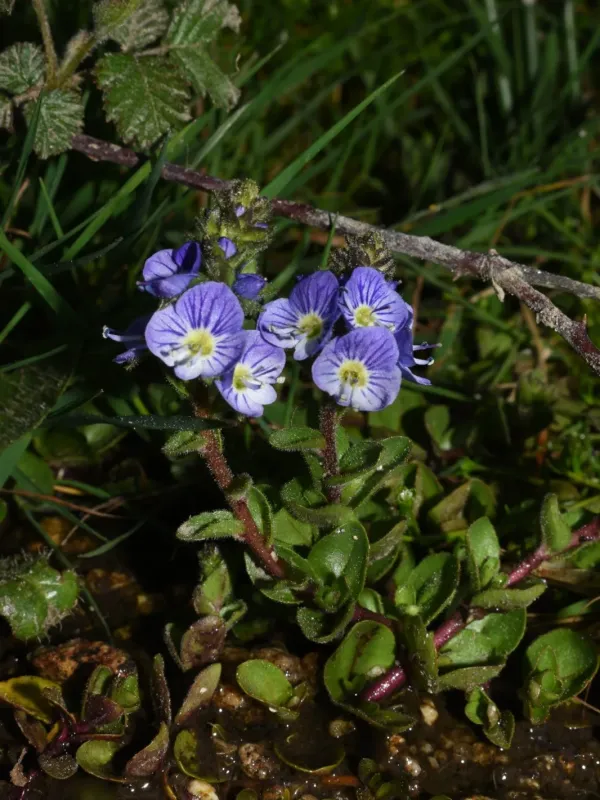
Veronica nevadensis is a perennial herbaceous plant belonging to the Plantaginaceae family. It is a specialized species endemic to the high-altitude environments of the Sierra Nevada mountain range in Spain, where it occupies specific ecological niches.
Botanically, this species is defined by its low-growing, compact habit, which serves as a physiological adaptation to extreme alpine conditions, including freezing temperatures and persistent wind exposure at high elevations.
The cultural requirements for Veronica nevadensis focus primarily on soil composition. It thrives in well-draining, stony, or sandy substrates. Heavy or clay-based soils that retain excess water will inevitably lead to root degradation and plant failure.
This species requires full sunlight and cool, well-ventilated conditions to replicate its natural habitat. It does not tolerate high humidity combined with high temperatures, making it a challenging plant to cultivate outside of alpine or rock garden settings.
Agrotechnical maintenance includes ensuring consistent but moderate moisture levels. The plant is essentially a low-input species, though it benefits from mineral-rich, poor soils that prevent aggressive vegetative competition from faster-growing plants.
Main diseases and pests
Fungal pathogens represent the primary threat to Veronica nevadensis, particularly root rot and crown rot. These conditions are usually exacerbated by improper irrigation practices and poor aeration within the root zone.
Pests such as aphids may occasionally infest the foliage, particularly during the onset of the growing season. Early detection and the application of mild horticultural soaps or systemic pesticides are necessary to prevent severe plant stress.
Invasive weed encroachment is a significant threat in a nursery or garden environment. Due to its slow-growing nature, the plant cannot easily outcompete vigorous weeds, which necessitates regular manual weeding around the base of the plant.
Environmental stress, such as unseasonal temperature spikes combined with high moisture, can weaken the plant's natural defenses, making it more susceptible to opportunistic pathogens and viral infections.
Proper hygiene is essential in any cultivation project. This includes the use of sterilized tools for propagation and ensuring that all surrounding debris is cleared away to prevent the accumulation of moisture-retaining organic matter near the foliage.