
Veronica masoniae
Veronica masoniae
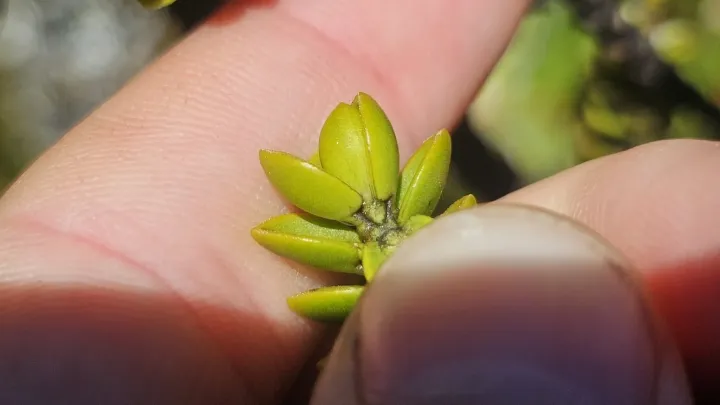
Description
Sowing dates
Seeds of Veronica masoniae should be sown in late winter or early spring using a protected environment. Cold stratification is often recommended to improve the germination rate and ensure uniform seedling emergence.
When using a nursery tray, sow seeds in a light and well-draining substrate. Surface sowing is generally preferred as the seeds require sufficient light to germinate effectively and produce healthy sprouts.
Seedlings should be pricked out once they reach the two-leaf stage. Gentle handling is essential during the transplanting process to avoid damaging the delicate root structure of these young plants.
Transplanting into the garden occurs after the final spring frost. By planting in late May, you allow the crop enough time to establish a strong root system before the peak summer heat arrives.
Maintain a planting distance of at least 35 centimeters between individual plants. This spacing promotes air circulation, which is a key factor in keeping the foliage healthy and free from dampness.
Growing requirements
Veronica masoniae, a member of the Plantaginaceae family, thrives in sunny locations with well-drained, fertile soil. It is a highly valued species for ornamental landscaping due to its resilience.
The soil should have a neutral to slightly acidic pH and must be kept loose to allow root penetration. Avoid waterlogged areas as they significantly increase the risk of root rot and other complications.
Watering should be consistent throughout the growing season, especially during dry spells. However, ensure that the water is applied to the base of the plant to keep the leaves as dry as possible.
To support hardiness, applying a layer of organic mulch around the base of the plant in late autumn is recommended. This helps insulate the root system against sudden temperature fluctuations.
Balanced fertilizers should be applied twice per season to encourage vigorous growth and prolonged flowering. Proper feeding helps the plant recover quickly from seasonal stress and improves overall health.
Main diseases and pests
Powdery mildew is a common issue for Veronica masoniae, especially during periods of high humidity. Regular inspection and the application of fungicides are necessary to control the spread of infection.
Leaf spot infections can be identified by the appearance of dark marks on the foliage. Removing and destroying affected plant debris is a vital step in maintaining the health of the entire flower bed.
Aphids and spider mites are the most frequent pests that affect this species. These can be managed by using organic insecticidal soaps or systemic pesticides during the early stages of infestation.
Root rot often occurs if the soil drainage is inadequate or if the plant is overwatered. Improving the soil structure with perlite or sand can prevent such moisture-related problems in the long term.
Proper plant spacing is essential to mitigate the risk of fungal diseases. Good airflow helps foliage dry quickly after rainfall, significantly reducing the chances of mold or mildew development.