
Chatham Island speedwell
Veronica chathamica
Description
Growing requirements
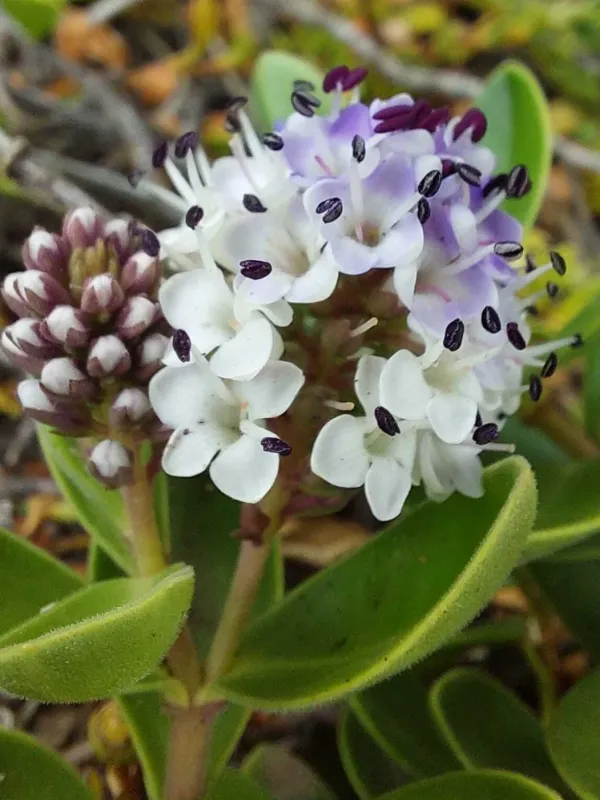
The Chatham Island speedwell (Veronica chathamica, formerly Hebe chathamica) is a hardy evergreen shrub belonging to the Plantaginaceae family. Native to the Chatham Islands of New Zealand, this plant has evolved to thrive in coastal habitats with strong winds and rocky soils.
The cultural requirements demand well-draining soil with an alkaline or neutral pH level. It is highly intolerant of waterlogged conditions, which makes it unsuitable for heavy clay soils unless significant soil amendments and drainage improvements are provided.
In terms of climate, it prefers full sun exposure to maintain its compact growth habit. It is classified as frost-tender, generally hardy down to temperatures of -7°C. In colder regions, container cultivation is recommended so the plants can be moved to frost-free areas during winter.
Management practices include pruning right after the flowering period to encourage density and branching. Supplemental feeding with a slow-release granular fertilizer early in spring is beneficial for sustained health and foliage color vibrancy throughout the growing season.
Its primary use is in ornamental landscaping, particularly in rock gardens or as a groundcover on slopes. It is favored by gardeners for its ability to withstand salt spray, making it a robust choice for maritime-inspired garden designs.
Main diseases and pests
The most common disease affecting the Chatham Island speedwell is root rot, primarily caused by Phytophthora species which flourish in overwatered or compacted soils. Preventing over-irrigation is the best defense strategy.
Powdery mildew can occur if the plant is grown in areas with poor air circulation or high humidity levels. This fungal issue often appears as white patches on the foliage, which can eventually hinder photosynthetic activity.
Aphids and scale insects are the typical pests encountered by this species. These pests cluster on the soft, growing tips and stems, requiring immediate treatment with horticultural oils or approved systemic insecticides to prevent infestation spread.
Leaf spot infections might appear during unusually wet weather. To mitigate this risk, it is essential to ensure that the base of the plant is kept clear of debris, which could act as a reservoir for fungal spores.
Proper plant spacing during installation significantly reduces the likelihood of these issues. Maintaining a healthy environment with good airflow is the cornerstone of managing pests and diseases in this culture.