
Stemodia durantifolia
Stemodia durantifolia
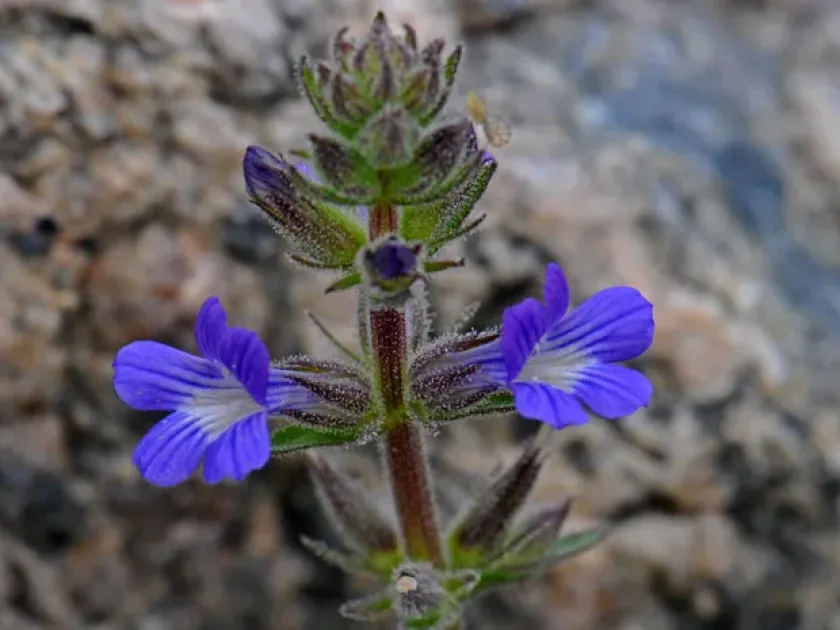
Description
Growing requirements
Stemodia durantifolia is a member of the Plantaginaceae family. It is a perennial herbaceous plant native to the tropical and subtropical regions of the Americas, known for its preference for moisture-rich habitats.
The natural range includes areas such as the Caribbean islands and parts of South America. It typically inhabits riverbanks, wet meadows, and disturbed landscapes where sunlight exposure is high throughout the growing season.
For successful cultivation, the plant requires consistently moist, well-draining soil. It thrives in tropical climates with temperatures typically between 22°C and 30°C and is not tolerant of frost or prolonged droughts.
Botanically, it features serrated leaves and small, distinct flowers that can form dense colonies. Its growth habit is often trailing, which necessitates adequate spacing during planting to maintain healthy airflow between individual plants.
The plant has been traditionally used in folk medicine for its supposed anti-inflammatory and antiseptic properties. Current research focuses on isolating bioactive terpenes and flavonoids for pharmaceutical applications.
Main diseases and pests
The primary threat to Stemodia durantifolia is root rot caused by poor soil drainage. Waterlogging is a significant risk factor that can lead to rapid decay of the vascular system in adult plants.
Pests such as aphids and spider mites frequently affect the crop, particularly when the plants are under stress. These insects can cause significant damage to the leaf tissue, reducing the yield of medicinal biomass.
Integrated pest management, including regular scouting and the use of botanical insecticides, is recommended to protect the crop without compromising the quality of the plant extracts.
Weed competition poses a major challenge, especially during the early stages of growth. Manual weeding or the use of organic mulch is necessary to ensure the plants establish themselves without being choked out.
Fungal infections, including powdery mildew, can occur in poorly ventilated environments. Maintaining optimal spacing and ensuring regular air circulation are key preventative strategies for greenhouse or field production.