
Scoparia montevidensis
Scoparia montevidensis
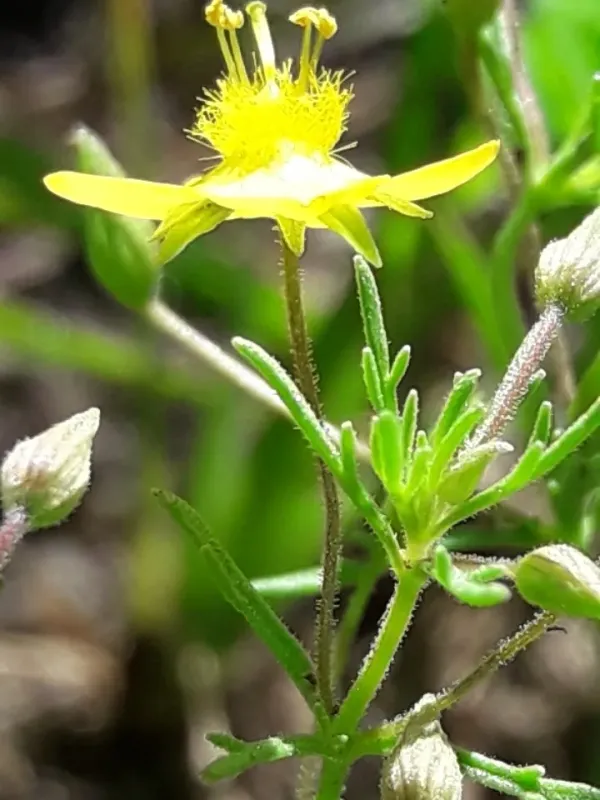
Description
Growing requirements
Scoparia montevidensis is a herbaceous species belonging to the Plantaginaceae family. Originally native to South America, specifically the regions surrounding Montevideo, it has adapted to temperate and subtropical environments, exhibiting unique biological strategies for survival in those areas.
The plant thrives in well-drained, sandy loam soils with a neutral pH level. It requires full sunlight exposure to maintain robust growth and high levels of biochemical activity, making site selection a critical step in the agricultural process for this specific crop.
Agrotechnical management involves regular, moderate irrigation to maintain soil moisture without causing waterlogging. It is essential to ensure that the root zone remains aerobic, as the plant is sensitive to anaerobic conditions often caused by heavy, compacted clay soils.
Regarding climate, the plant prefers warm conditions with temperatures ranging from 18°C to 25°C. It is not frost-hardy, and in regions with cold winters, it is typically grown as an annual or requires protective measures to survive the dormant season.
The agricultural and economic utility of Scoparia montevidensis is primarily linked to its chemical constituents. Research into its phytochemical properties suggests potential applications in the pharmaceutical and nutraceutical sectors, driving interest in its controlled cultivation.
Main diseases and pests
The main phytopathological threats include fungal root diseases, which are usually triggered by poor drainage or excessive nitrogen application. Maintaining a strict sanitation protocol in the field is necessary to prevent the spread of soil-borne pathogens.
Insect pests, including aphids and whiteflies, can become an issue during dry, hot weather. Integrated pest management, focusing on biological controls and proper canopy management, is recommended to ensure crop health and maintain the quality of the harvested material.