
Woolly plantain
Plantago eriophora
Description
Sowing dates
Woolly plantain (Plantago eriophora) is a perennial herbaceous plant belonging to the Plantaginaceae family. In agricultural practices, planting is performed in early spring as soon as soil temperatures reach approximately 8–10 degrees Celsius.
The seeds have a low natural germination rate, so stratification or growth stimulant pre-treatment is highly recommended to improve field emergence. The optimal sowing depth is 1 to 2 centimeters to ensure the seeds are not buried too deeply.
Sowing is conducted in rows with spacing up to 45 centimeters, which facilitates weed control and allows for mechanical maintenance of the fields. A standard density for commercial production is around 20–25 plants per linear meter.
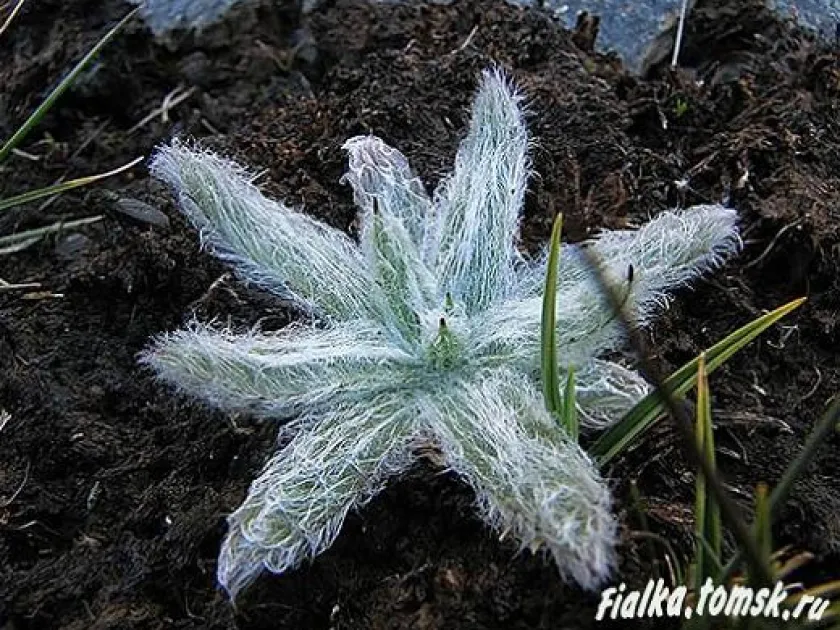
During the first year, the plant primarily focuses on developing its basal leaf rosette and establishing a strong root system. Therefore, maintaining weed-free fields during the initial growth phase is essential for long-term plant viability.
For uniform distribution during sowing, seeds should be mixed with an inert carrier such as sand or dried sawdust, ensuring a consistent plant population across the entire production area.
Growing requirements
This crop prefers well-lit sites with light, fertile sandy-loam or loamy soils. Woolly plantain is highly sensitive to waterlogged conditions, so areas with high water tables or poor drainage should be strictly avoided.
The optimal soil pH range for successful cultivation is between 6.0 and 7.5. On acidic soils, the plant exhibits stunted growth, making liming a mandatory practice before establishing new plantations.
While the plant shows moderate drought tolerance, regular irrigation is required during the active vegetative growth phase to produce sufficient commercial biomass. Moisture is particularly critical in the early stages of the growing season.
Climate-wise, the plant prefers moderate temperatures and is sensitive to sudden spring temperature swings. It is hardy enough to survive winter frost, provided there is a stable snow cover to insulate the roots from extreme cold.
The crop responds well to moderate nitrogen fertilizer applications in the first half of the season, which promotes the vigorous development of its leaf rosette.
Main diseases and pests
Common diseases include root rots caused by excessive soil moisture or poor agronomic management. Early detection and removal of infected plants, combined with site disinfection, are necessary to prevent the spread of pathogens.
Pests such as leaf-eating caterpillars and gall midges can significantly damage the leaves, reducing their market value. Regular monitoring of the field is crucial to catch infestations before they cause widespread harm.
Powdery mildew is a common issue in high humidity or stagnant air conditions. Improving field ventilation and adhering to proper plant spacing are effective preventative measures against this fungal disease.
Aphids can colonize the base of leaves and young flower stalks, sucking plant sap and stunting development. Biological insecticides are recommended if infestations exceed economic injury levels.
Strict adherence to crop rotation cycles is required to break disease and pest life cycles, with a minimum interval of four to five years before replanting on the same site.
Harvesting
The raw material is harvested during the peak flowering phase when the concentration of bioactive compounds in the leaves is at its highest. Accurate timing is essential to ensure maximum potency of the medicinal product.
Leaves are gathered manually or mechanically, leaving 3–5 centimeters above the root crown to prevent damage to the growth point. Under optimal conditions, two full harvests can be achieved in a single growing season.
Immediately after harvest, the raw material should be moved to a drying facility. Drying temperatures should be kept below 45 degrees Celsius to prevent the degradation of heat-sensitive compounds and ensure quality.
The dried product must be stored in cool, dark, and well-ventilated areas to protect it from light degradation and moisture. Proper storage maintains the herb’s medicinal properties for an extended period.
After the final harvest of the season, applying potassium-phosphorus fertilizer helps strengthen the root system for winter survival and improves regeneration in the following spring.