
Cretan plantain
Plantago cretica
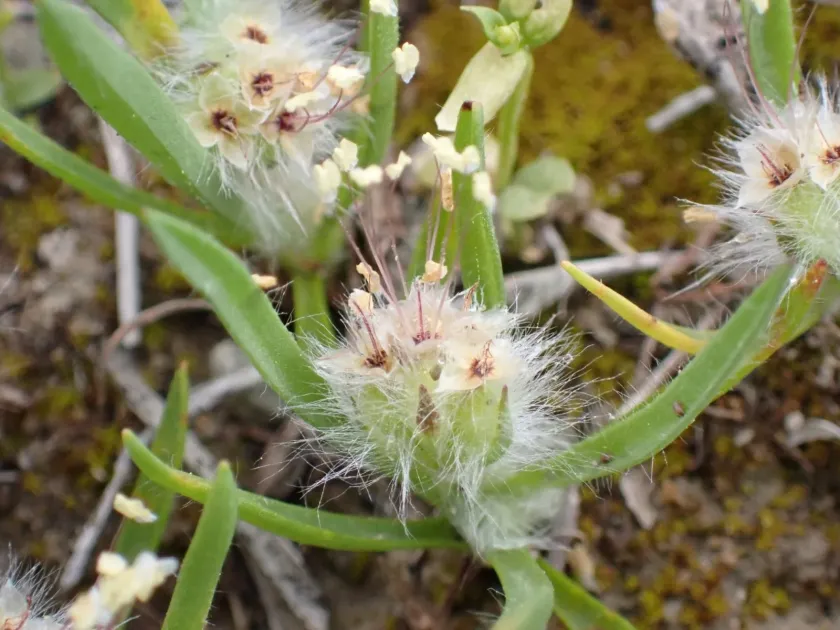
Description
Sowing dates
Cretan plantain (Plantago cretica) is typically sown in early spring once the soil temperature consistently reaches 10–12 degrees Celsius. Proper seedbed preparation is essential to ensure small seeds establish strong root systems quickly.
Due to the small size of the seeds, they should be sown shallowly, at a depth of 0.5 to 1 centimeter. Mixing seeds with dry sand or a filler helps achieve a uniform distribution across the field, preventing uneven plant density.
A row spacing of 30 to 45 centimeters is recommended to facilitate proper vegetative growth. This spacing also allows for mechanical weed control during the early stages of plant development, which is critical for crop success.
In warmer climates, late-autumn sowing is also feasible, allowing seeds to undergo natural stratification over the winter. This practice often results in more vigorous early spring growth and better adaptation to local weather patterns.
Ensuring adequate seed-to-soil contact immediately after planting is vital. Light irrigation following sowing can help stabilize the seeds and promote rapid germination, especially in drier environments.
Growing requirements
Plantago cretica, a member of the Plantaginaceae family, is a highly resilient species well-adapted to Mediterranean-type climates. It thrives in open, sunny locations where it receives sufficient light to maximize its phytochemical production.
This crop prefers light, well-drained soils, such as sandy loams, which prevent waterlogging. Avoiding heavy, clay-rich soils is important, as stagnant moisture can quickly lead to root decay and decreased plant vigor.
The plant is tolerant of neutral to slightly alkaline soil conditions. While it is not overly demanding of nutrient-rich soils, balanced levels of phosphorus and potassium support healthy leaf development and stress resistance.
Cretan plantain exhibits impressive drought tolerance once established. Its morphological structure allows it to efficiently manage water resources, making it a sustainable choice for semi-arid regions or areas with limited water availability.
Proper ventilation between plants is necessary to prevent fungal issues. By providing adequate space and ensuring a well-drained environment, growers can maintain a healthy stand throughout the entire growing season.
Yield
The yield of Cretan plantain is largely determined by effective stand management and environmental conditions. Proper spacing and weed control are the primary factors contributing to a higher biomass output per hectare.
The timing of harvest is crucial for yield quality, as the concentration of active medicinal compounds is highest at the beginning of the flowering stage. Harvesting at this point ensures the highest value of the raw material.
Under optimal management, growers may achieve multiple harvests of leaves in a single growing season. Post-harvest fertilization is recommended to replenish soil nutrients and promote rapid regrowth of the plant's vegetative parts.
Seed production can also be a significant revenue stream for the farm. Yields are highly dependent on successful pollination, making the presence of pollinators in the field beneficial for maximizing seed set.
Using consistent agricultural practices, such as balanced fertilization and timely moisture management, allows for stable and predictable yields. This consistency is highly sought after for pharmaceutical and cosmetic applications.
Main diseases and pests
Fungal infections, particularly powdery mildew, are the primary threats during periods of high humidity. Preventive measures, such as ensuring proper plant spacing and airflow, are essential for mitigating these risks.
Root rot remains a concern if soils remain waterlogged for extended periods. Implementing a strict crop rotation schedule prevents the buildup of soil-borne pathogens and ensures the health of subsequent plant generations.
Various lepidopteran larvae may cause damage to the leaves. Integrated pest management, focusing on biological controls rather than harsh chemicals, is preferred to maintain the crop’s medicinal quality and environmental standards.
Aphid outbreaks can occur during extreme heat stress. Regular scouting of the fields is necessary to detect these pests early and prevent significant damage to the leaf tissue, which is the primary marketable part of the crop.
Nematodes may pose a problem in fields that have previously hosted related botanical species. Using healthy, disease-free seeds and maintaining adequate spatial isolation from other crops are fundamental to long-term field health.
Harvesting
Harvesting Cretan plantain should be performed with care to keep leaves intact and free of soil contamination. Hand-picking or using specialized harvesting machinery during early morning hours is ideal.
Drying the harvested material immediately is vital to prevent spoilage. Using well-ventilated drying sheds at temperatures not exceeding 45 degrees Celsius preserves the delicate chemical composition of the leaves.
Seed harvesting should occur only after the spikes have reached full maturity but before they begin to shatter. Timeliness is the key to minimizing losses during the final stage of crop production.
After threshing, seeds should be cleaned of chaff and debris to reach industry-standard purity levels. Final moisture content must be carefully controlled to ensure the longevity of the seeds in storage.
Storage should take place in cool, dry, and dark environments to maintain product quality. Properly sealed containers or breathable sacks help preserve the integrity of the herbs for commercial distribution.