
Ciliate plantain
Plantago ciliata
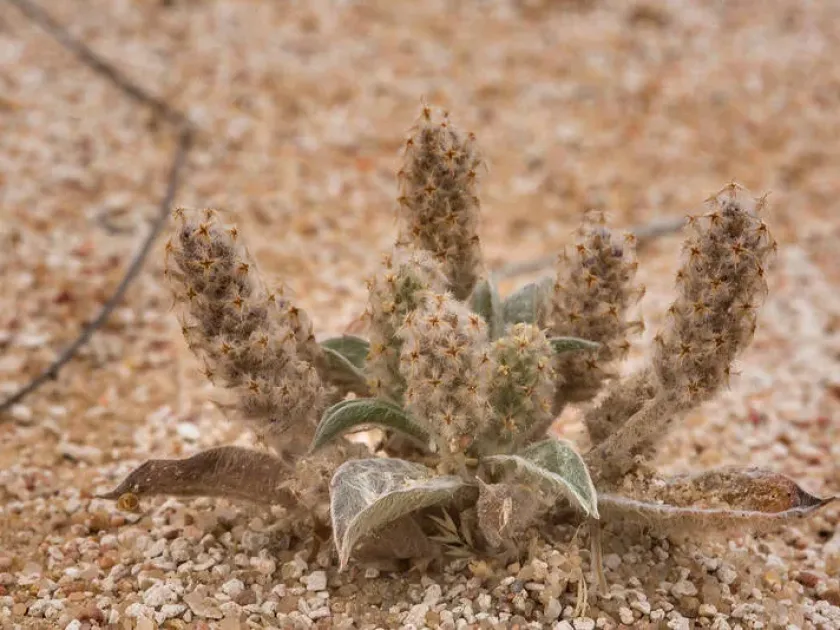
Description
Growing requirements
Ciliate plantain (Plantago ciliata) is a herbaceous annual plant belonging to the Plantaginaceae family. It is a highly resilient species, uniquely adapted to harsh, arid environments across its natural distribution range.
The plant is native to regions with significant moisture deficits, typically found in arid and semi-arid zones. It thrives in well-drained, sandy, or stony substrates where other vegetation struggles to establish.
Agro-climatic requirements include high solar radiation and low relative humidity. It utilizes early spring moisture cycles to complete its reproductive life cycle before the onset of extreme summer temperatures.
Cultivation practices focus on soil structural stability rather than nutrient supplementation. Due to its evolutionary path, the plant performs optimally in low-fertility soils without the need for synthetic fertilizers.
The morphological features of the plant include ciliated leaf margins, which serve as an anatomical adaptation to minimize transpiration. These fine hairs act as a barrier against wind and intense thermal radiation.
Main diseases and pests
Fungal pathogens associated with root rot represent the primary biological threat to the crop. These infections are almost exclusively triggered by waterlogging or poor soil drainage during the wet phase.
Invertebrate pests, particularly soil-dwelling larvae and foliage-feeding beetles, can damage the crown of the plant. Monitoring of population densities is essential for mitigating losses during peak growth seasons.
Invasive weed species pose a significant threat by outcompeting the seedlings for limited moisture. Effective weed management requires precise mechanical control to avoid damaging the shallow root system.
Herbivory can reduce the overall biomass accumulation if not managed through rotational grazing systems. Protected areas or exclusion zones may be necessary during the critical phases of flowering and seed maturation.
Climatic volatility remains a major concern, as unseasonal cold snaps can disrupt the flowering process. Consistent environmental stability is required to ensure reliable seed yield production.