
Kamchatka plantain
Plantago camtschatica
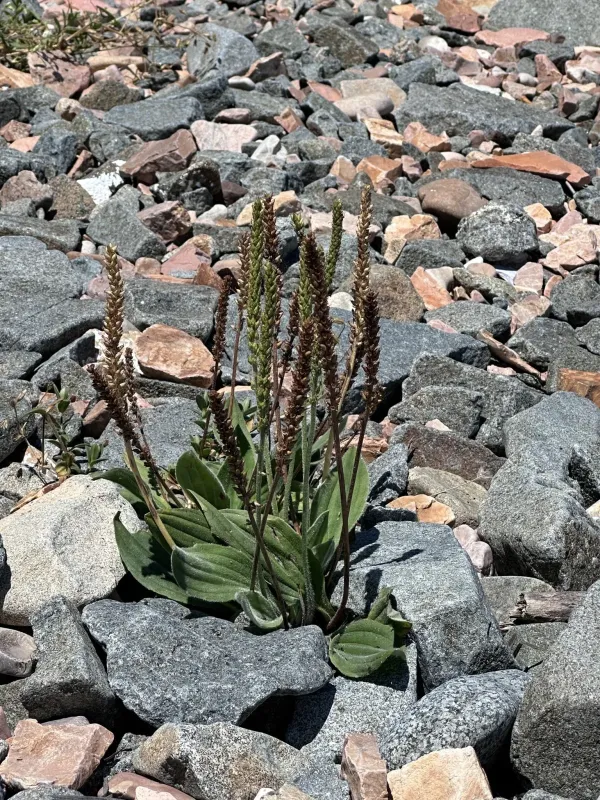
Description
Sowing dates
Sowing should ideally occur in early spring to utilize residual soil moisture. For optimal germination, soil temperature should consistently reach 5 to 8 degrees Celsius.
Due to the very small size of the seeds, they should be sown shallowly, not exceeding 1.5 centimeters in depth. Light rolling of the soil after planting is recommended to ensure firm contact between the seed and the soil particles.
Row cultivation is the standard practice, with row spacings typically set between 45 and 60 centimeters. This arrangement allows for efficient weed control and potential mechanical cultivation as the plants establish.
A seeding density of approximately 10–20 kg per hectare is generally sufficient to achieve a balanced stand. Over-seeding may cause intra-species competition, leading to weaker plants and reduced biomass quality.
In regions with harsh winters, late autumn sowing is an alternative. This strategy allows the seeds to undergo natural stratification, often resulting in more uniform and vigorous germination in the following spring.
Growing requirements
Kamchatka plantain (Plantago camtschatica) is a member of the Plantaginaceae family. This hardy perennial herb is native to the Far East and is well-adapted to the challenging climatic conditions of northern regions.
The plant thrives in well-drained, fertile soils with a neutral or slightly acidic pH. Its ability to tolerate low temperatures and short growing seasons makes it a robust species for cold-climate agriculture.
In terms of environmental needs, Kamchatka plantain prefers open, sunny locations, though it exhibits significant plasticity and can survive in partial shade. Proper soil aeration is crucial for preventing root rot during wet spring months.
The cultural cycle includes a period of vegetative growth, followed by a flowering stage. It is recognized for its ecological resilience and potential for use in land reclamation projects and high-quality livestock fodder.
Effective management involves maintaining soil nutrient levels, particularly through the application of organic matter, which supports the density of the leafy rosette throughout the season.
Harvesting
The harvesting of foliage is best timed to coincide with the full bloom stage. At this developmental phase, the concentration of active medicinal compounds is highest within the leaves.
Manual or mechanical harvesting techniques can be employed, ensuring that the central growing point of the rosette remains intact. This practice is essential for maintaining plant vigor for subsequent growth cycles or years.
Immediate post-harvest processing is critical for product quality. Leaves should be spread out thinly in well-ventilated areas, away from direct sunlight, to preserve essential oils and other biochemical components.
Drying temperatures must be carefully regulated and should not exceed 45 degrees Celsius. Exceeding this thermal threshold can result in the degradation of secondary metabolites, significantly reducing the market value of the crop.
Once dried, the product should be stored in moisture-proof containers in a cool, dry environment. Consistent quality control includes monitoring for mold or discolouration to ensure the final product meets industrial standards.