
Plantago amplexicaulis
Plantago amplexicaulis
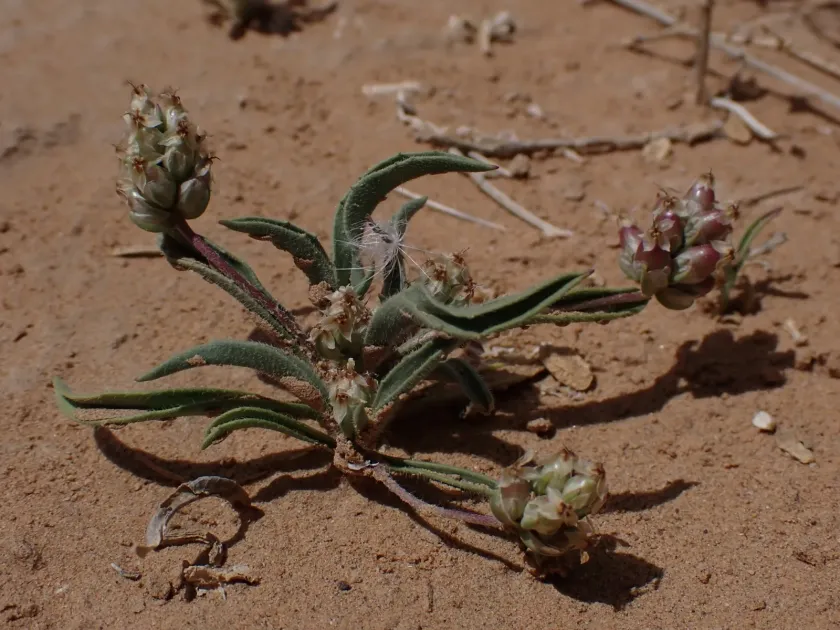
Description
Sowing dates
Plantago amplexicaulis is a member of the Plantaginaceae family, recognized for its distinct stem-clasping leaves. It is an annual herbaceous plant that serves as a source of valuable botanical material.
The sowing season typically begins in early spring. The soil temperature should reach at least 12-15 degrees Celsius to ensure uniform and rapid germination of the seeds.
Seeds should be sown in rows, typically spaced 30 to 45 centimeters apart. This layout optimizes plant density and facilitates inter-row cultivation throughout the growing cycle.
Proper seed depth is crucial; burying the seeds too deep can significantly inhibit germination, given their relatively small size and delicate nutrient reserves.
Post-seeding care includes ensuring sufficient soil-to-seed contact and maintaining consistent moisture in the topsoil layer during the initial germination phase.
Growing requirements
This species thrives in temperate climates with high solar radiation. Exposure to direct sunlight is essential for healthy development and maximum accumulation of bioactive compounds.
The crop prefers well-drained, light-textured soils such as sandy loams. Heavy or clay-rich soils that retain excess moisture can hinder root growth and promote fungal infections.
A neutral to slightly alkaline pH level is ideal for Plantago amplexicaulis. Soils that are excessively acidic should be amended with lime well in advance of the planting season.
While the plant exhibits notable drought tolerance, supplemental irrigation during the peak vegetative stage will reliably increase biomass production and leaf quality.
Nutrient management should focus on balanced NPK applications. While nitrogen promotes leaf growth, phosphorus and potassium are necessary for overall plant resilience and chemical quality.
Main diseases and pests
The primary threats to Plantago amplexicaulis are fungal pathogens, particularly in regions with high humidity or poor field drainage that creates stagnant air conditions.
Powdery mildew and various leaf spot diseases can affect the foliage. Implementing proper crop rotation and maintaining adequate field spacing are the best cultural controls.
Pests such as aphids and subterranean larvae may cause localized damage. Integrated pest management strategies should be used to protect the efficacy of the medicinal material.
Weed competition is a significant challenge during the early seedling stage. Regular mechanical cultivation helps suppress invasive weeds without excessive reliance on herbicides.
Producers must prioritize the cleanliness of the field, as the final product is intended for pharmaceutical or cosmetic use, requiring strict adherence to quality standards.
Harvesting
Harvesting is typically timed during the peak of the flowering phase. This is the period when the plant's metabolic activity leads to the highest concentration of polysaccharides and iridoid glycosides.
The harvest is performed by cutting the aerial parts of the plant. Precision is key to avoiding soil contamination and protecting the integrity of the harvested leaves.
Immediate post-harvest processing is critical. The leaves must be moved quickly to a drying facility to prevent fermentation or chemical degradation caused by heat and moisture.
Drying is best accomplished in specialized controlled-environment rooms with temperatures kept below 50 degrees Celsius to maintain the therapeutic value of the plant extract.
Once dried, the product should be stored in ventilated, light-protected containers to ensure longevity and stability of its active chemical profile for end-market use.