
Tall plantain
Plantago altissima
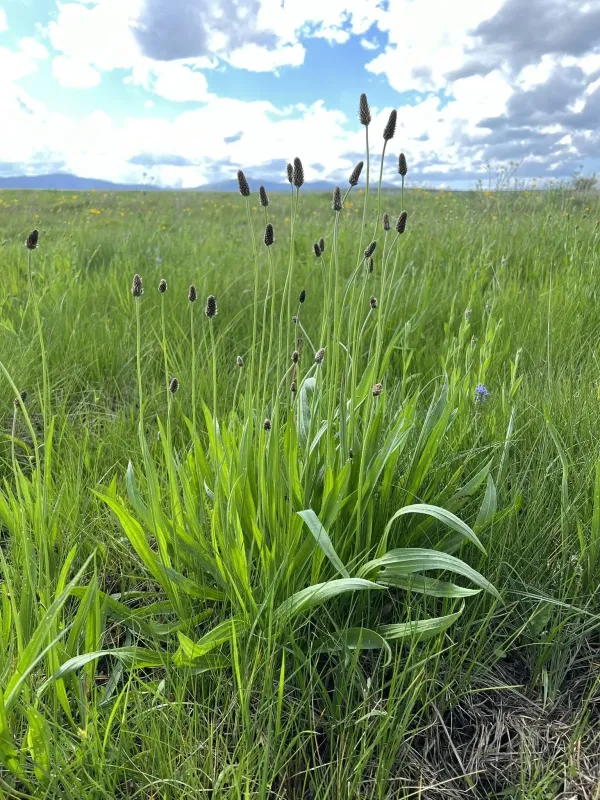
Description
Sowing dates
Planting of Plantago altissima is typically performed in early spring once soil temperatures reach a stable 8–10 degrees Celsius to ensure even germination.
Due to the small size of the seeds, they should be sown at a shallow depth of 0.5–1 cm into a finely prepared seedbed to prevent them from drying out.
Row planting with spacing of 45–60 cm is recommended for large-scale operations to facilitate mechanical weed control and maintain soil aeration.
Sowing can also be carried out in late autumn for winter-hardy regions, provided the seeds are protected from early spring waterlogging in the field.
Ensuring a consistent moisture level during the first three weeks post-sowing is crucial for successful establishment of the crop in its initial growth phase.
Growing requirements
The tall plantain belongs to the Plantaginaceae family and is recognized for its robust growth patterns and adaptability to various environmental conditions.
It performs best in full sun exposure and requires well-drained, fertile loamy soils with a near-neutral pH to achieve optimal vegetative mass production.
While the plant is hardy, it thrives in moderate climates with consistent rainfall, making it suitable for regions with temperate growing seasons.
Proper soil fertility management, including the application of compost or balanced mineral fertilizers, is essential to sustain high productivity over multiple years.
Adequate space between rows is necessary to prevent overcrowding, which helps mitigate the risk of disease spread in dense herbal plantations.
Yield
Under optimal conditions, the tall plantain can produce a substantial yield of 15–20 tons of fresh biomass per hectare per growing season.
Maximum productivity is typically reached in the second and third years of growth, as the root system deepens and stabilizes within the soil profile.
Harvesting timing is critical, as leaf quality depends on collecting materials during the peak flowering stage when active compound levels are highest.
Irrigation management can significantly boost yield consistency, especially in drier climates where rainfall patterns may fluctuate during the summer.
Post-harvest processing, including low-temperature drying, is required to maintain the medicinal efficacy and shelf-life of the harvested raw plant material.
Main diseases and pests
The crop is susceptible to various fungal pathogens, such as powdery mildew and leaf spots, which thrive in humid environments and poor air circulation.
Insect pests, including various beetles and weevils, can cause significant damage to the foliage, which reduces the marketability of the medicinal harvest.
Soil-borne pests like wireworms may occasionally target the developing root systems of younger plants during the initial stages of plantation development.
Integrated pest management, including crop rotation and the use of bio-insecticides, is the preferred method for maintaining healthy crop stands.
Regular monitoring of field conditions and early intervention are essential to preventing widespread outbreaks of diseases that could jeopardize yield quality.