
American Erinus
Erinus americanus
Description
Growing requirements
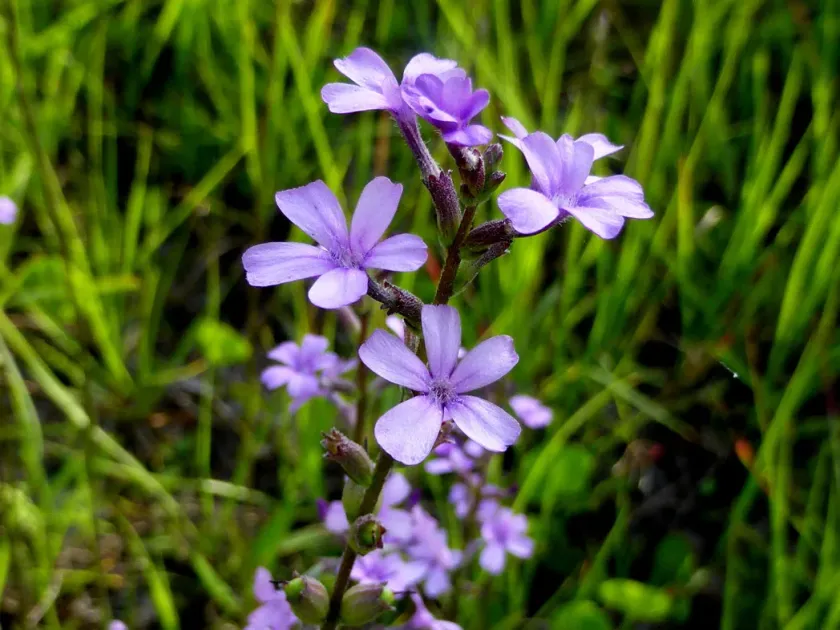
American Erinus (Erinus americanus), taxonomically often referred to within the Bacopa or Monniera genera, is a perennial herbaceous plant belonging to the Plantaginaceae family. It is native to the tropical and subtropical regions of the Americas, thriving in moist, semi-shaded environments.
The plant requires a high level of humidity to maintain its vegetative vigor. Cultivation should take place in environments with stable temperatures, ideally between 20°C and 28°C. Dropping below 15°C can lead to metabolic dormancy, while temperatures above 30°C may cause leaf scorching if moisture levels are insufficient.
Regarding soil requirements, the culture prefers light, organic-rich substrates with excellent drainage capabilities. A slightly acidic to neutral soil pH is ideal for nutrient uptake. It is recommended to amend heavy soils with perlite or peat to ensure adequate oxygen circulation around the root zone.
Agronomic management involves consistent irrigation, keeping the soil moist but avoiding waterlogged conditions. Fertilizer applications should focus on balanced NPK ratios, with supplementary micronutrients provided during the peak growing phase to support lush foliage development.
From a utility perspective, the plant is widely utilized in ornamental horticulture and landscape architecture. Its dense growth habit makes it an excellent choice for ground coverage in damp garden areas, helping to maintain soil integrity and suppressing unwanted vegetation.
Main diseases and pests
The primary pathological threats include fungal infections such as root rot and stem blight, particularly in environments with poor air circulation. Implementing proper spacing and providing good ventilation are essential cultural practices to mitigate these risks.
Insect pests, notably aphids and whiteflies, frequently target the succulent stems of the American Erinus. These pests cause significant sap depletion and can transmit plant viruses, requiring vigilant monitoring and timely intervention with integrated pest management strategies.
Fungal pathogens like Botrytis may become an issue during periods of prolonged coolness and high humidity. Sanitation practices, such as removing senescing or damaged foliage, are vital to preventing the spread of these spores throughout the plant collection.
Spider mites are a common nuisance in arid or high-temperature conditions, leading to chlorotic spotting on the leaves. Regular misting and maintaining optimal humidity levels help deter these pests from establishing significant populations.
Nutrient imbalances or chemical burns from over-fertilization can weaken the plant's natural defenses, making it more susceptible to opportunistic infections. Monitoring soil EC (electrical conductivity) and pH levels periodically is recommended for sustained plant health.