
Merton foxglove
Digitalis mertonensis
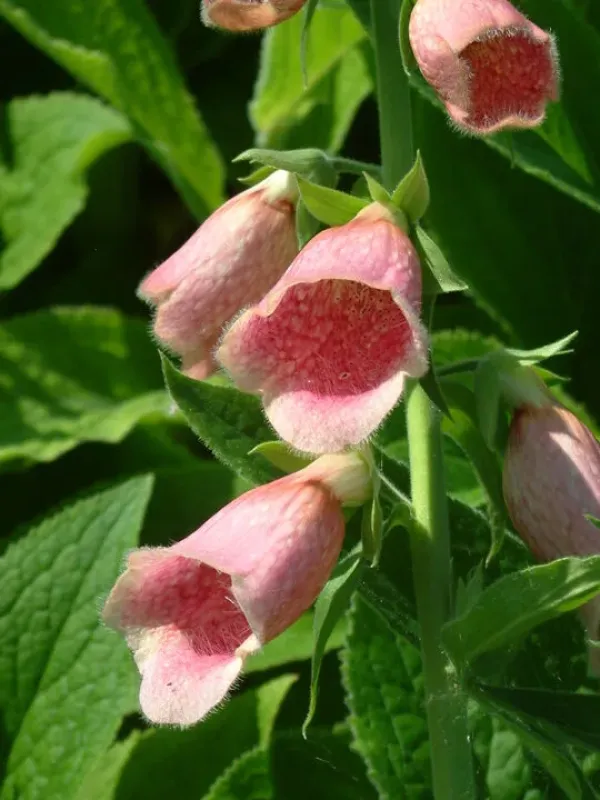
Description
Sowing dates
Sowing seeds of Digitalis mertonensis is typically done in early spring, specifically in March or April, using indoor seed trays. The seeds are extremely small, requiring surface sowing where they are pressed gently into moist soil without being covered.
Light is essential for the germination of these seeds, so containers should be placed in well-lit areas or under specialized grow lights. Maintaining a consistent temperature between 18 and 20 degrees Celsius is crucial for successful emergence.
Seedlings should be pricked out into individual pots once they develop their first true leaves. This hybrid typically spends its first year developing a basal rosette of leaves, with the primary flowering stage occurring in the second year.
Transplanting into the garden bed takes place in late May or early June after the danger of frost has passed. Plants should be spaced 30 to 40 centimeters apart to ensure adequate airflow and room for development.
If sowing directly into the garden, timing is critical to ensure young plants are established before summer heat. Consistent moisture must be maintained throughout the germination period, as surface drought can quickly destroy the delicate sprouts.
Growing requirements
Merton foxglove (Digitalis mertonensis) is a hybrid member of the Plantaginaceae family, created by crossing Digitalis purpurea and Digitalis grandiflora. It is prized for its large, sturdy, copper-pink spikes and superior garden performance.
The plant thrives in fertile, well-draining soils with a neutral or slightly acidic pH. Avoiding waterlogged conditions is essential, as the roots are susceptible to rotting if left in stagnant or overly compact soil environments.
Optimal growth is achieved in positions receiving full sun to partial shade. While it tolerates some shade, excessive darkness will cause the flower stems to become weak, leggy, and potentially collapse under their own weight.
Care routines include regular, moderate watering, specifically targeting the base of the plant to keep the foliage dry. This preventative measure helps reduce the likelihood of leaf-based fungal infections throughout the growing season.
Feeding the plant with nitrogen-rich fertilizer in early spring supports healthy foliage growth, while potassium and phosphorus blends applied before the budding stage ensure vibrant and long-lasting flower displays.
Main diseases and pests
Powdery mildew is a primary concern for Merton foxglove, especially during warm, humid weather. It appears as a dusty white coating on leaves, requiring prompt application of systemic fungicides to protect the plant's health.
Leaf spot infections can also weaken the foliage and reduce aesthetic value. Management involves removing infected plant tissues immediately and improving circulation to decrease the moisture levels around the foliage.
Slugs and snails are major pests that often target the tender leaves of the basal rosette. Utilizing physical barriers such as copper tape or organic baits can effectively manage these populations before they cause severe damage.
Aphids occasionally colonize the upper portions of the flower stems, drawing sap and reducing vigor. Monitoring for these pests early allows for manual removal or the use of eco-friendly insecticidal soaps to clear the infestation.
Root rot remains the most common fatal issue, typically resulting from poor soil drainage or excessive watering. Ensuring the planting site has a proper drainage layer is the best defense against this persistent soil-borne threat.