
Lamarck's foxglove
Digitalis lamarckii
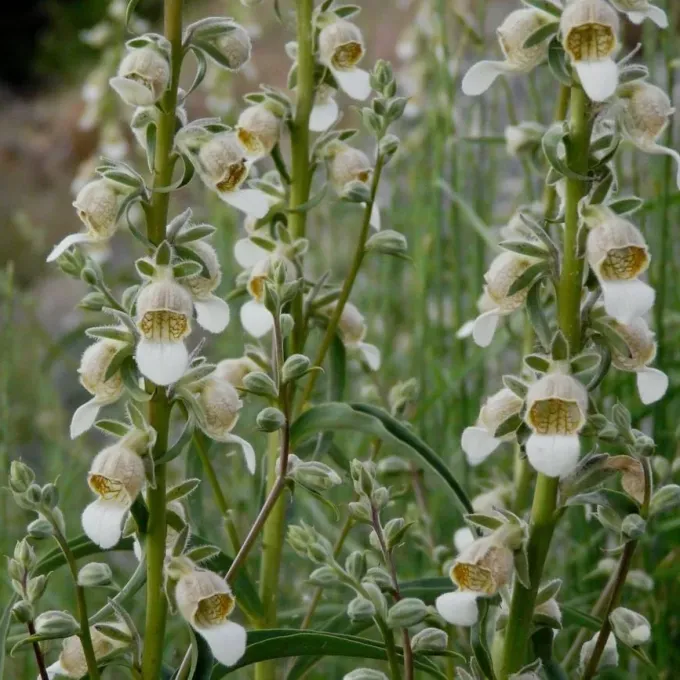
Description
Sowing dates
Lamarck's foxglove is typically propagated by seeds, which are exceptionally small and require careful handling during the sowing process. They should be surface-sown on well-prepared, fine-textured soil to ensure proper light exposure for germination.
The ideal time for sowing is during the spring when the soil temperature has stabilized, or in late autumn for winter-stratified seeds. This allows the plants to establish a strong root system before the onset of the summer heat or the dormant period.
When planting in rows, a spacing of 45-60 cm between rows is recommended to allow for adequate airflow and easy access for maintenance tasks. Proper plant spacing prevents overcrowding and competition for nutrients and water.
Germination usually takes about two to three weeks under consistent moisture levels. The seeds should never be buried deeply, as they require light to break dormancy and sprout effectively in the nursery or field.
In the first year, the plant focuses on developing a robust basal rosette of leaves, while the characteristic flowering stalk emerges in the second year. Strategic crop rotation is vital to maintain the soil health for future planting cycles.
Growing requirements
This species thrives in sunny or partially shaded environments, but for maximum yield of medicinal compounds, full sun exposure is preferred. The soil must be fertile, well-draining, and rich in organic matter to support vigorous growth.
Lamarck's foxglove is sensitive to waterlogged conditions, which can quickly lead to root rot. Good drainage is essential, and the soil should remain moist but never saturated throughout the growing season.
The optimal pH range for this plant is between 6.0 and 7.0. Soils with high acidity should be amended with lime to ensure the availability of essential nutrients, particularly calcium and magnesium, which are crucial for plant development.
Fertilization should be handled with care; excessive nitrogen can promote rapid vegetative growth at the expense of secondary metabolites. A balanced, slow-release fertilizer applied during the early growth phase is usually sufficient.
Regular maintenance includes shallow cultivation between rows to eliminate weeds. By reducing competition and improving soil aeration, these efforts directly contribute to the plant's health and its overall resilience to environmental stressors.
Main diseases and pests
Powdery mildew is one of the most common threats to Digitalis species, especially when plants are grown in poorly ventilated conditions or experience humidity fluctuations. Fungicidal treatments should be applied at the first sign of symptoms.
Leaf-eating insects and aphids can significantly impact plant health. Early detection through regular monitoring and the use of integrated pest management strategies are recommended to keep damage below the economic threshold.
Root rot caused by pathogenic fungi is a constant risk if the soil remains excessively damp. Ensuring proper spacing and rotating the crops every few years significantly mitigates the risk of soil-borne diseases spreading through the field.
In some regions, viral diseases transmitted by insects can cause leaf mottling and stunting. Removing and safely destroying infected plants immediately is the best way to prevent the rapid spread of viruses throughout the crop.
Good field hygiene is essential for the longevity of the plantation. Clearing out all crop residues after the harvest prevents overwintering of pathogens and harmful insects that could infest the following year's crop.
Harvesting
Harvesting for medicinal purposes focuses on the leaves, which should be picked during the peak development phase. The ideal time is usually at the start of the flowering stage, as this corresponds with the maximum concentration of active substances.
Manual harvesting with clean shears is the most effective method, ensuring that the central growing point remains intact. This careful approach can allow for secondary leaf growth later in the season if conditions are favorable.
Immediate drying is crucial to preserve the chemical integrity of the harvested material. Drying in a controlled environment at temperatures ranging from 50 to 60 degrees Celsius is standard to prevent fermentation and decomposition.
The dried product must be thoroughly sorted to remove any weeds, stems, or discolored material. Proper sorting ensures that the final batch meets the high standards required for further pharmaceutical or herbal processing.
Storing the dried leaves in airtight, moisture-proof containers in a cool, dark place will maintain their efficacy for up to two years. Regular quality checks are necessary to ensure the absence of mold and pests during the storage period.