
Collinsia parviflora
Collinsia parviflora
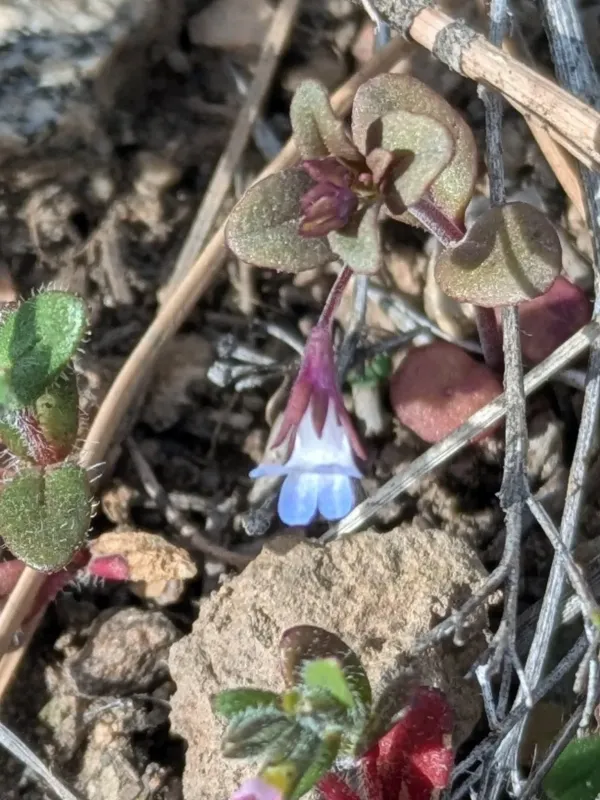
Description
Sowing dates
Collinsia parviflora is an annual herbaceous plant whose life cycle is typically initiated by sowing seeds directly into open soil. The best time for sowing is early spring as soon as the soil has warmed up to positive temperatures.
Late autumn sowing is also feasible in temperate regions, as the seeds respond well to natural stratification during winter. The optimal seeding depth is shallow, ranging from 0.5 to 1 centimeter, to ensure uniform and quick germination.
For dense ornamental coverage, it is recommended to follow a sowing density that allows 15–20 centimeters of space between individual plants. This ensures proper development of the root system and foliage without intense resource competition.
Seedlings emerge relatively quickly if the topsoil is kept consistently moist during the germination phase. Early spring sowing allows the plant to bloom mid-spring, which is critical for regions with hot and dry summers.
The seeds maintain high viability for several years if stored properly in a cool and dry environment. This makes the species a reliable choice for long-term landscaping plans and garden rotations.
Growing requirements
The plant belongs to the Plantaginaceae family and exhibits high adaptability to various environmental conditions. Native to North America, it naturally thrives in open clearings, forest edges, and rocky slopes.
Collinsia prefers well-drained, sandy-loam or loamy soils with moderate organic content. A critical requirement is the avoidance of waterlogging in the root zone, which can lead to significant root rot and plant mortality.
The species is highly photophilous and requires full sun exposure to produce the most abundant and vivid blooms. In partial shade, the plant tends to lose its compact growth habit and may become excessively leggy.
Regarding climate, Collinsia is noted for its cold hardiness, successfully surviving minor spring frosts. It performs well in temperate climates without requiring special protection during the main growing season.
The standard agricultural practice includes regular weeding during the early stages of plant growth, as young seedlings are sensitive to weed competition. Periodic application of balanced liquid fertilizers during the active growth phase can further enhance bloom quality.
Main diseases and pests
Collinsia parviflora is generally a robust plant with few natural enemies. However, under conditions of excessive moisture or poor ventilation, it can become susceptible to various fungal pathogens such as powdery mildew.
Aphids represent the primary pest threat to young shoots, as they feed on plant sap and can cause growth stuntedness. Early detection and the use of biological controls are recommended to manage populations without damaging the delicate plants.
During prolonged heat and drought, spider mites may become a localized issue, particularly on the underside of leaves. Maintaining optimal soil moisture and humidity levels can effectively reduce the risk of mite infestations.
Leaf-mining insects may occasionally cause damage by creating tunnels within the foliage. Affected plant parts should be removed promptly to prevent the spread of the pest across the planting area.
Overall, effective crop protection centers on good cultural practices, such as proper spacing for air circulation and avoiding overly damp conditions, which helps the plants maintain natural resistance.