
Chaenorhinum serpyllifolium
Chaenorhinum serpyllifolium
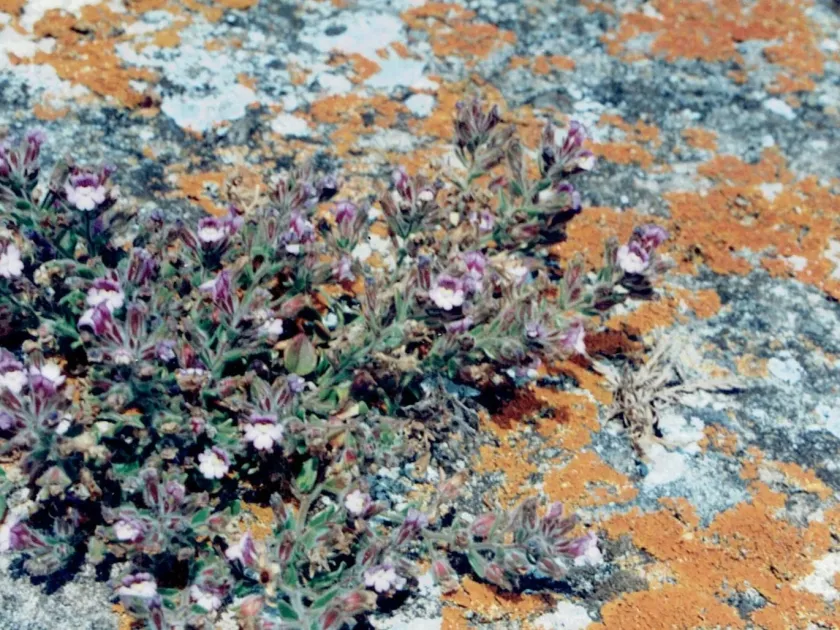
Description
Growing requirements
Chaenorhinum serpyllifolium is an herbaceous plant species belonging to the Plantaginaceae family. It is typically found in rocky and mountainous regions, reflecting its evolution in specialized, nutrient-poor, and high-drainage environments.
The plant thrives in sandy or stony soils with excellent aeration. Drainage is the most critical factor for successful cultivation, as the species is highly susceptible to root damage caused by excessive moisture or waterlogging.
It demands full exposure to direct sunlight for optimal growth. Exposure to shade significantly reduces the vigor of the plant, often leading to etiolation of the stems and a significant decline in overall developmental health.
Regarding climate, it prefers regions with a Mediterranean-like or temperate mountain climate. It demonstrates high tolerance to drought conditions but needs protection from extreme cold and excessive soil moisture during winter months.
Cultivation practices involve minimal fertilization. The plant is adapted to low-nutrient soils, and excessive application of nitrogenous fertilizers may stimulate succulent growth that is susceptible to collapse or fungal infections.
Main diseases and pests
Root rot, primarily caused by Phytophthora species, is the most common pathogen affecting Chaenorhinum serpyllifolium in cultivation. Ensuring adequate drainage and avoiding heavy, clay-rich soils are the primary methods for disease prevention.
Aphid infestations may occur during the peak vegetative stage. These insects suck sap from the tender tissues, potentially vectoring viruses and weakening the plant's structural integrity if left unmanaged.
Fungal leaf spot diseases may appear during periods of prolonged high humidity and poor airflow. Managing plant density and ensuring proper spacing between individuals are essential to facilitate evaporation and prevent infection.
Soil-borne nematodes can pose a significant threat to root development. Implementing a strict crop rotation schedule and using disease-free soil amendments are fundamental practices for maintaining healthy plant populations.
Regular monitoring of the crops allows for early intervention. Sustainable pest management strategies, focusing on biological controls rather than broad-spectrum chemicals, are highly recommended for this delicate species.