
Small toadflax
Chaenorhinum minus
Description
Growing requirements
Small toadflax (Chaenorhinum minus) is an annual herbaceous plant belonging to the Plantaginaceae family. It is not an agricultural crop, but rather a persistent weed often found in arable lands and disturbed habitats.
Native to Europe and parts of Western Asia, it has established itself globally. The plant thrives in temperate climates and is particularly common in areas with sandy or gravelly soil, where competition from other plants is lower.
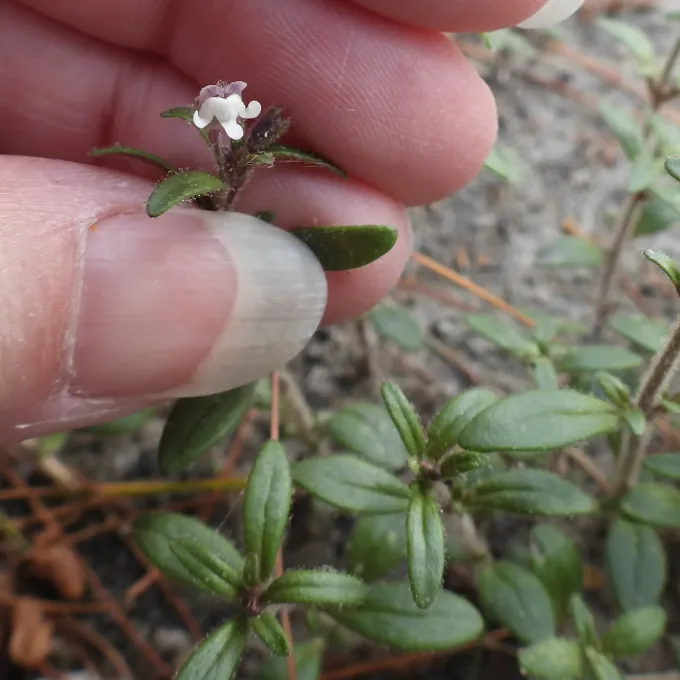
Its botanical structure includes thin, glandular-hairy stems and small, pale purple to white flowers with a yellow throat. It typically reaches a height of 5–30 centimeters, which is adapted to low-lying growth in open spaces.
The plant requires well-drained soils and direct sunlight to maximize its reproductive success. Its ability to tolerate dry conditions makes it a resilient inhabitant of agricultural fields that are not frequently tilled or irrigated.
Agricultural management is crucial because this plant acts as an opportunistic weed. It can quickly fill gaps in crop stands, especially in sparsely sown fields, leading to significant nutrient depletion for the primary crop.
Main diseases and pests
Common threats associated with small toadflax include its role as a potential host for pathogens that can migrate to neighboring crops. Although not a primary carrier, its presence increases the total biotic load in the field.
Pest interactions often involve polyphagous insects that use the weed as a shelter. While rarely damaging to the weed itself, these pests can pose a threat to surrounding high-value agricultural crops.
Effective control strategies focus on early identification. Mechanical methods such as weeding and cultivation are highly effective during the seedling stage before the plant develops a robust root system.
Chemical control involving broad-spectrum or selective herbicides is common in industrial farming. Proper timing of herbicide application ensures maximum efficacy while minimizing the impact on the desired crop species.
Preventative practices include the sanitation of farming equipment and the use of certified seed to ensure that fields remain free from the seeds of this resilient weed species.