
Coast toadflax
Chaenorhinum litorale
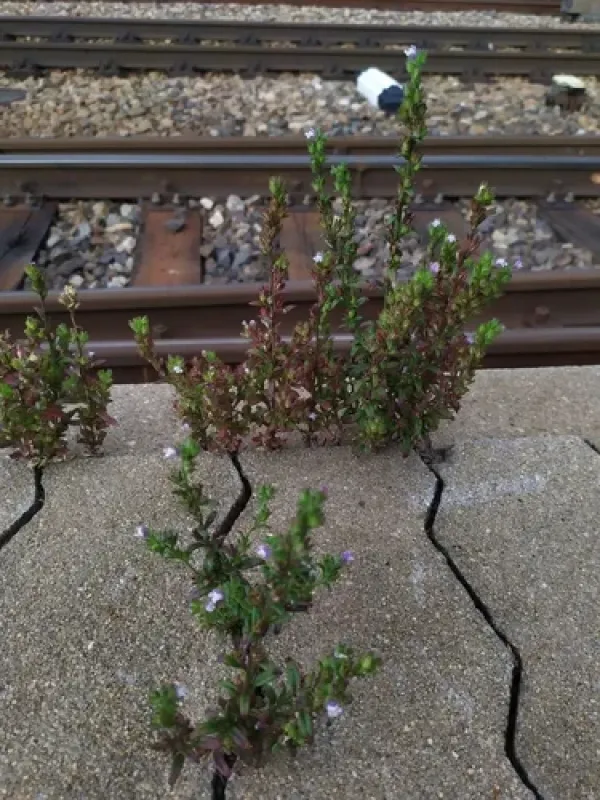
Description
Sowing dates
Chaenorhinum litorale is a unique member of the Plantaginaceae family, often found in specialized coastal habitats that require specific approaches to its cultivation.
Successful sowing requires cold stratification of seeds, which helps simulate natural winter conditions and prepares the embryo for emergence when temperatures rise.
Seeds should be sown on the surface of a well-draining, sandy-based substrate, as they are light-dependent for germination and require consistent moisture without saturation.
Initial growth stages are critical, necessitating a temperature-controlled environment where airflow is maintained to prevent dampening-off and other early-stage issues.
Gradual acclimatization to outdoor conditions is necessary before final transplantation to ensure that the young plants develop sufficient vigor to adapt to their permanent site.
Growing requirements
This species thrives in nutrient-poor, sandy, or gravelly soils that mirror its native environment, necessitating a substrate with excellent drainage capabilities.
Full sun exposure is a mandatory requirement for the healthy development of Chaenorhinum litorale, as shade can cause etiolation and reduce the intensity of flowering.
While the plant is highly drought-tolerant once established, it requires regular monitoring during the early phases of growth to prevent desiccation.
Soil pH management is essential, as the plant prefers neutral to slightly alkaline conditions, which promote optimal nutrient uptake and general plant health.
Avoid heavy mulching or organic amendments that hold excessive moisture, as this can lead to root system decay and hinder the plant's natural adaptation strategies.
Main diseases and pests
Root pathogens remain the primary threat to the stability of the crop, largely driven by environmental stress and excessive water accumulation in the soil profile.
Pest management should focus on mitigating aphid infestations, which can severely weaken the plant and serve as vectors for various secondary infections.
Fungal leaf spots may appear during periods of high humidity, necessitating the application of copper-based or systemic fungicides to protect the foliage.
Integrated pest management (IPM) practices, such as maintaining optimal plant spacing and ensuring good airflow, are the most effective ways to manage threats without chemical overuse.
Routine inspection for leaf discoloration or wilting is recommended to ensure that any potential threats are caught in the early stages, preventing widespread loss.