
Antirrhinum sempervirens
Antirrhinum sempervirens
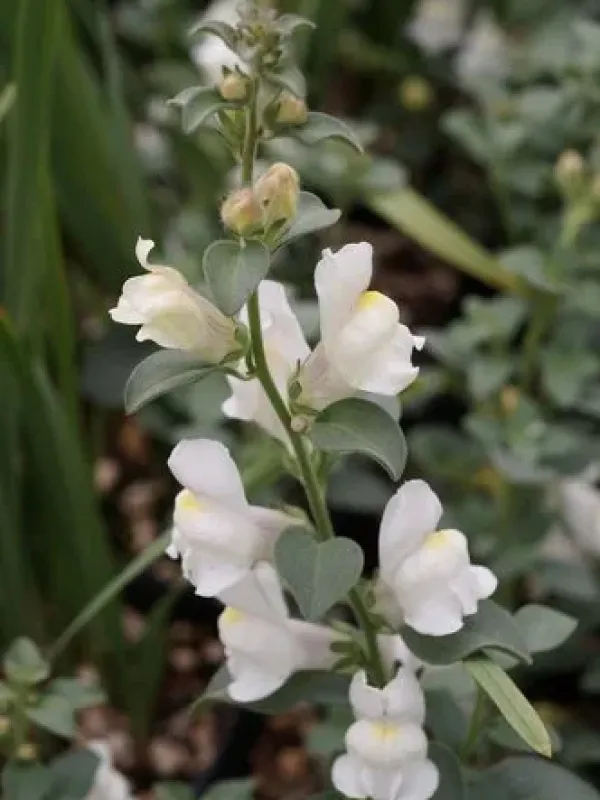
Description
Sowing dates
The sowing of Antirrhinum sempervirens typically occurs in late winter or early spring using controlled indoor conditions to ensure a strong start for the seedlings.
Since the seeds are very small, they should be sown on the surface of a fine, moist growing medium and pressed gently without covering them with soil layers.
Maintaining a consistent temperature of about 18 to 20 degrees Celsius is essential for successful germination, which usually takes between two to three weeks.
Once the seedlings develop several sets of true leaves, they should be hardened off before being transplanted into their final garden locations in late spring.
Spacing is a critical factor during planting to ensure proper airflow, as this species prefers an open environment to prevent fungal issues during the growth stage.
Growing requirements
Antirrhinum sempervirens belongs to the Plantaginaceae family and is native to the rocky regions of Europe, which dictates its specific environmental needs.
This species thrives in full sun exposure and requires well-drained, slightly alkaline soil to mimic its natural habitat in crevices and stony slopes.
It is highly adapted to drought-like conditions, making it an excellent candidate for rock gardens and xeriscaping where water management is a priority.
The plant benefits from low-fertility soil; excessive fertilization can lead to leggy growth and reduced structural integrity of the stems over time.
As a perennial species, it requires protection from severe frost in colder climates, often benefiting from a layer of mulch or cultivation in containers.
Main diseases and pests
Like many species in the snapdragon genus, this plant is susceptible to various fungal pathogens that thrive in environments with poor air circulation.
Root rot caused by overly saturated soil is a primary risk factor, necessitating the use of coarse, well-draining soil mixes to protect the delicate root system.
Aphids are the most common pests that target the young, tender foliage, leading to stunted growth and potential viral transmissions between neighboring plants.
Spider mites may also pose a threat during hot and dry spells, requiring careful monitoring and potential intervention with horticultural soaps or oils.
Regular sanitation, including the removal of dead or decaying plant material, is essential to minimize the risk of disease spread within the planting area.