
Antirrhinum meonanthum
Antirrhinum meonanthum
Description
Growing requirements
Antirrhinum meonanthum is an herbaceous perennial plant belonging to the Plantaginaceae family. It is native to the Iberian Peninsula, where it thrives in rocky environments and crevices, demonstrating a unique ecological adaptation to Mediterranean conditions.
The plant requires full sun exposure and sandy or gravelly soil with excellent drainage properties. It is highly intolerant of waterlogged conditions, which makes site selection and soil preparation the most critical factors for successful cultivation.
Climatic requirements are centered around the need for dry summers and mild winters. As a xerophytic-leaning species, it performs best when allowed to experience cycles of moderate moisture, avoiding constant irrigation that could disrupt its natural growth rhythm.
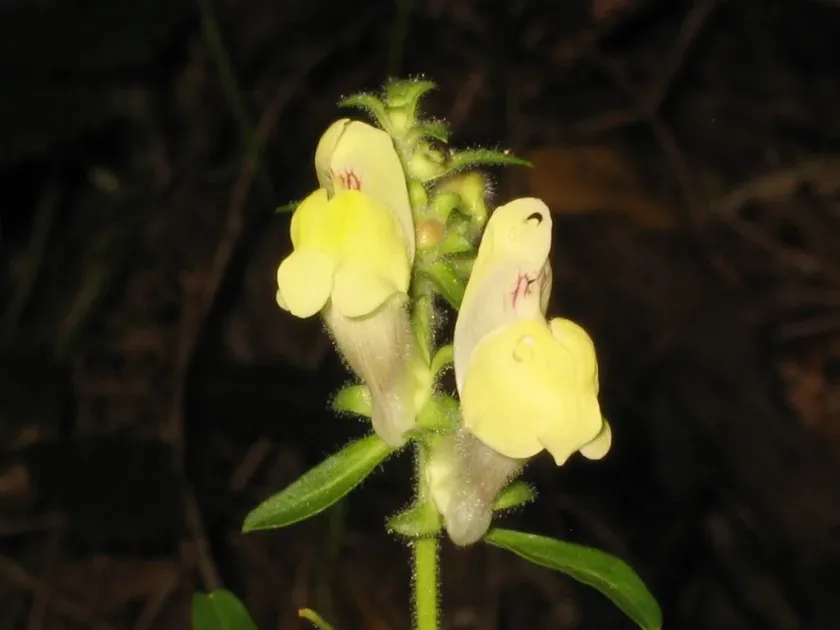
Botanically, it displays characteristic snapdragon-shaped flowers, though with distinct morphological traits that differentiate it from more common garden varieties. The foliage is typically narrow and may exhibit pubescence to reduce transpiration under high temperatures.
In terms of management, the species requires minimal fertilization. Over-fertilizing can lead to weak, elongated stems that fail to support the weight of the spikes, reducing the overall ornamental impact of the planting.
Main diseases and pests
Root rot is the primary threat to Antirrhinum meonanthum, usually triggered by poor drainage or excessive atmospheric humidity. Proper spacing is essential to ensure adequate airflow around the base of the plant to prevent fungal stagnation.
Aphids and spider mites are the most common pests affecting this species. They tend to concentrate on the tender tips of the plant, potentially causing stunted growth and distorted inflorescences if not managed promptly.
Powdery mildew can appear during late season periods characterized by high humidity and fluctuating temperatures. Implementing preventative measures, such as avoiding overhead watering, is highly recommended to maintain plant health.
Weed competition is a significant threat during the seedling stage. Given the plant's relatively slow initial growth, regular weeding of the surrounding area is necessary to ensure the plant receives sufficient light and nutrients.
Integrated pest management strategies are advisable. Regular monitoring for early signs of infestation and the use of targeted biological controls or low-impact pesticides are preferred to maintain the ecological balance of the garden.