
Antirrhinum litigiosum
Antirrhinum litigiosum
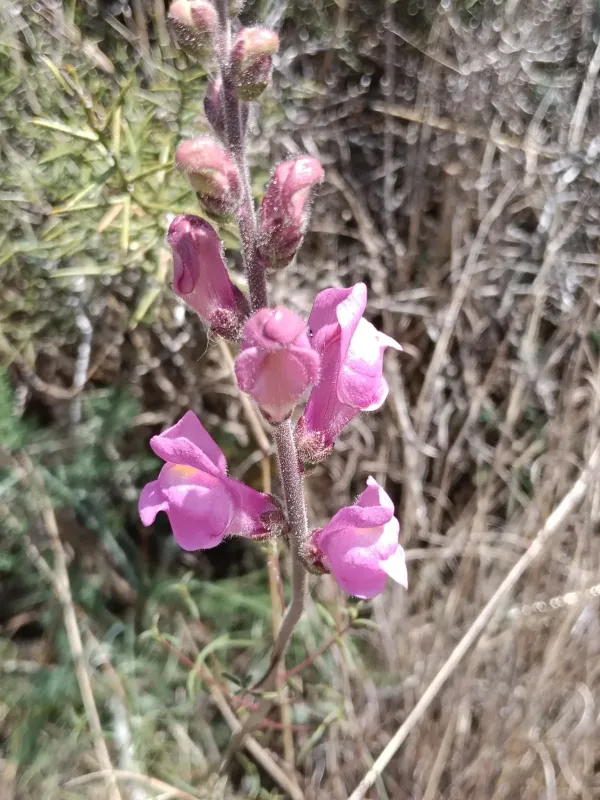
Description
Sowing dates
Antirrhinum litigiosum is a perennial herbaceous plant belonging to the Plantaginaceae family. In its natural Mediterranean habitat, the plant relies on seed dispersal during the late autumn period to ensure germination in the following spring.
When cultivating this species, seeds are sown in a light, well-draining seed-starting mix. The seeds are tiny and should be surface-sown or covered with a very thin layer of fine substrate to ensure adequate light exposure for germination.
Temperature control during the sowing phase is critical, with 16–18 degrees Celsius being ideal. A consistent moisture level is necessary, but the surface must not be waterlogged to prevent damping-off disease in young seedlings.
Once the seedlings develop their first true leaves, they should be pricked out into individual pots. This transition period is essential for building a strong root system before the plants are moved to their permanent outdoor location.
Hardening off the plants is a recommended practice before final transplanting. Gradually exposing them to outdoor conditions over two weeks helps the plants adjust to environmental stressors such as wind and varying temperatures.
Growing requirements
Antirrhinum litigiosum is endemic to parts of Spain and is well-adapted to Mediterranean climates characterized by hot, dry summers and mild, wet winters. It thrives in locations with high sunlight intensity.
The preferred soil type is stony, sandy, or rocky, ensuring excellent drainage. The plant is sensitive to waterlogging, which can cause root rot, so alkaline or neutral soils are generally more favorable for its growth.
In terms of irrigation, the plant is highly drought-tolerant once established. Watering should be deep but infrequent, allowing the top layer of soil to dry out completely between sessions to maintain a healthy root system.
Fertilizer application should be kept to a minimum. Over-fertilization, especially with nitrogen, results in lush vegetative growth that is often prone to pests and has a lower overall flower count per stalk.
Spatial requirements include proper ventilation. Planting them with enough space between individuals ensures good airflow, which is a major factor in reducing the risk of foliage diseases in humid or enclosed garden settings.
Main diseases and pests
The primary threats to this plant are fungal pathogens, specifically those causing root rot and powdery mildew. These occur mostly when the plant is subjected to poor soil drainage or high humidity combined with limited airflow.
Preventative measures include using gravel mulch around the base of the plant to keep the stems dry. Avoiding overhead irrigation is also a crucial strategy to prevent water from sitting on the leaves for extended periods.
Pests such as aphids and spider mites are common in dry conditions. They congregate on the undersides of leaves and on flower buds, causing stunted growth and yellowing of the foliage if left uncontrolled.
Integrated pest management, including the use of beneficial insects or organic insecticidal soaps, is recommended for controlling populations. Avoiding broad-spectrum pesticides helps maintain the local ecosystem balance.
Regular inspection is the best defense against threats. By identifying early signs of distress, such as discolored leaves or abnormal growth, gardeners can intervene quickly to isolate the affected plants and prevent further spread.