
Antirrhinum controversum
Antirrhinum controversum
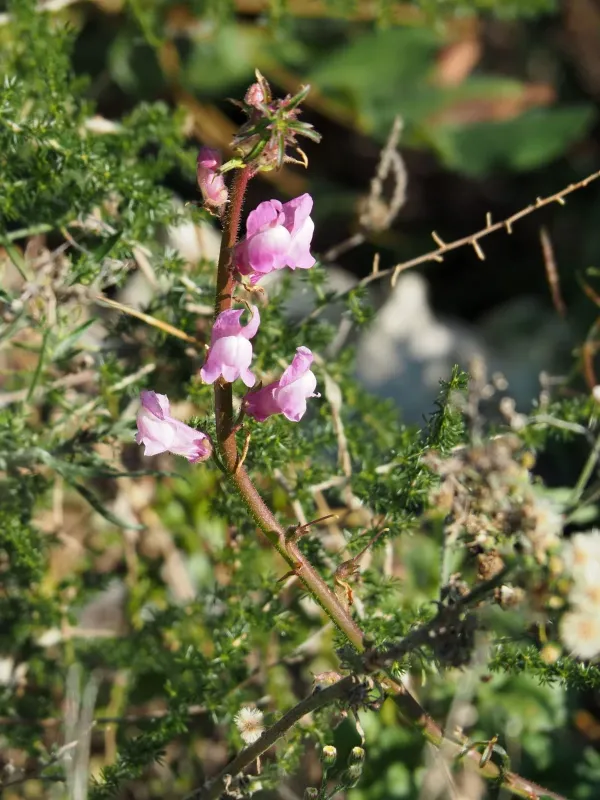
Description
Sowing dates
Sowing Antirrhinum controversum is typically initiated in early spring once the risk of severe frost has passed and soil temperature reaches 15 degrees Celsius.
For indoor propagation, seeds should be surface-sown on moist, sterile growing media and covered only very lightly to allow exposure to essential light.
Transplanting into the field is recommended when seedlings have developed two sets of true leaves, ensuring that the root system is well-acclimatized to outdoor conditions.
Row spacing should be maintained at 25–30 centimeters to ensure adequate air circulation, which helps in preventing fungal issues during the rapid growth phase.
Consistent moisture levels are critical during the germination period; therefore, using a fine mist for watering helps to prevent seed displacement or damage.
Growing requirements
Belonging to the Plantaginaceae family, this species thrives in well-drained, loamy soils that are rich in organic matter and have a slightly acidic to neutral pH.
Sunlight requirements are high, as the plant needs full exposure to thrive and produce robust flowering spikes throughout its active vegetative cycle.
Watering management is vital; while the plants require consistent water, they are highly susceptible to root rot if placed in heavy, waterlogged soil conditions.
Incorporating slow-release fertilizers into the soil preparation stage provides the necessary nutrients for prolonged blooming and overall plant vigor.
The optimal climate for this crop involves moderate temperatures; extreme heat may lead to stunted development or reduced quality of the floral structures.
Main diseases and pests
Rust disease is a significant threat, appearing as small, powdery brown pustules on the leaf undersides, often triggered by high humidity and poor ventilation.
Aphids are the most common pests, which can cause severe damage by sucking sap from the tender growing tips and spreading various plant viruses.
Root rot, primarily caused by Pythium species, remains a major risk if irrigation protocols are not followed, leading to sudden wilting of the whole plant.
Effective pest and disease control requires regular scouting and the implementation of Integrated Pest Management strategies to reduce chemical dependence.
- Removing infected plants immediately to prevent pathogen spread.
- Using systemic insecticides only when pest thresholds are exceeded.
- Improving site drainage to mitigate risks of soil-borne pathogens.
Harvesting
For ornamental use, harvesting is conducted by cutting the flowering stems when roughly half of the individual flowers on the spike have fully opened.
Seed harvesting should occur when the seed pods have turned brown and started to dry, indicating that the seeds have reached physiological maturity.
After harvesting, seed pods should be dried in a cool, dark environment to ensure that residual moisture does not lead to decay or fungal contamination.
Once dried, the seeds are threshed and winnowed to remove plant debris, ensuring a clean and viable batch for future planting seasons.
Final removal of crop residues is an essential agronomic practice to eliminate overwintering sites for potential pests and soil-dwelling pathogens.