
Antirrhinum charidemi
Antirrhinum charidemi
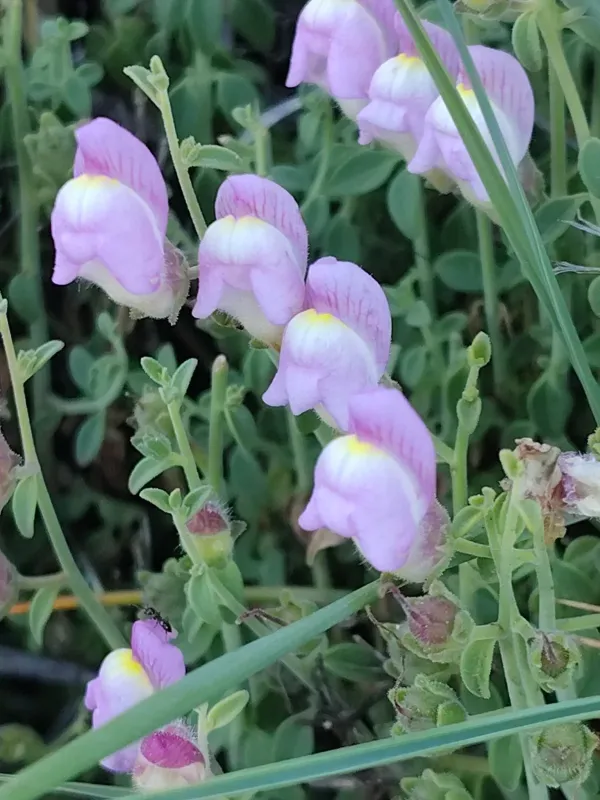
Description
Growing requirements
Antirrhinum charidemi is a distinctive plant species belonging to the Plantaginaceae family. It is known for its compact habit and specific adaptation to rocky limestone habitats, making it a unique subject for botanical study and specialized cultivation.
The native range of this species is restricted to specific areas in southeastern Spain. Due to its origin, the plant is highly adapted to arid conditions and calcareous soils, which are fundamental to its health and development in a managed environment.
Cultivation requirements necessitate well-draining, nutrient-poor soil that mimics its natural rocky habitat. Heavy or waterlogged soils are detrimental to the plant, as they quickly induce root rot and other physiological disorders.
The plant thrives in full sun exposure and requires high light intensity to maintain its characteristic morphology. Inadequate light levels will lead to etiolation, reducing both the aesthetic value and the overall vigor of the plant.
Agrotechnical management focuses on minimizing moisture stress while ensuring proper drainage. Supplemental irrigation should only be applied when the substrate is dry to the touch, and fertilizers should be used sparingly to avoid excessive vegetative growth at the expense of flowering.
Main diseases and pests
The primary threats to Antirrhinum charidemi involve fungal pathogens that thrive in conditions of excessive soil moisture. Root rot is the most common cause of mortality in cultivation, necessitating strict drainage management.
Powdery mildew represents a significant risk if the planting density is too high or if air circulation is insufficient. Ensuring proper spacing between individual plants is essential to promote airflow and decrease the humidity around the foliage.
Common agricultural pests such as aphids can compromise the vitality of the plant by feeding on young stems and developing buds. Regular monitoring and the application of suitable insecticidal soaps can mitigate these infestations effectively.
Spider mites are another potential threat during periods of hot, dry weather. They can damage leaves by piercing cells, which significantly impairs photosynthesis and overall plant growth.
Good hygiene practices, including the removal of dead plant material and weeds, are vital to prevent the establishment of pests and diseases. Implementing these cultural controls ensures the longevity and health of the Antirrhinum charidemi collection.