
Southern snapdragon
Antirrhinum australe
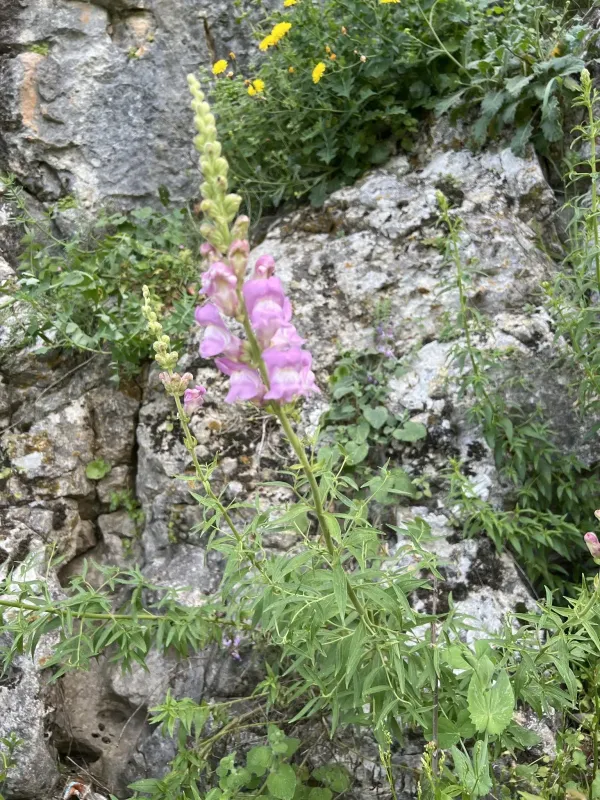
Description
Growing requirements
Southern snapdragon (Antirrhinum australe) is a perennial herbaceous plant belonging to the Plantaginaceae family. It is native to the Mediterranean basin, specifically concentrated in parts of Spain and Portugal, where it thrives in rocky, arid, and open natural habitats.
The plant requires well-drained, lime-rich, or rocky soil conditions to prosper. It is highly adapted to intense sun exposure and thrives in areas where other common ornamental plants might suffer from heat stress, making it a robust choice for xeriscaping.
Cultivation practices should emphasize minimal irrigation once the plant is established. Proper soil aeration is crucial to prevent root rot; therefore, incorporating sand or fine grit into the planting medium is highly recommended for optimal development.
Agrotechnical management involves periodic pruning of spent blooms to encourage further vegetative health and potential secondary flowering. Due to its Mediterranean origins, it prefers moderate winter temperatures and may require protection in cooler, northern climatic zones.
In terms of agricultural and horticultural use, this species is primarily utilized for niche landscaping, rock gardens, and as a subject of botanical interest for drought-tolerant plant research. Its compact growth habit ensures it remains a stable element in xerophytic gardens.
Main diseases and pests
The main threats to the plant include fungal diseases such as powdery mildew and root rot, which are often caused by poor drainage or excessive humidity in the microclimate. Ensuring sufficient airflow around the plants is the primary preventive measure.
Pest issues typically include aphids, which cluster on the succulent stems, and spider mites during prolonged dry spells. Integrated pest management, including the use of horticultural oils or soaps, is effective in maintaining the health of the population.