
Fumaria sepium
Fumaria sepium
Description
Growing requirements
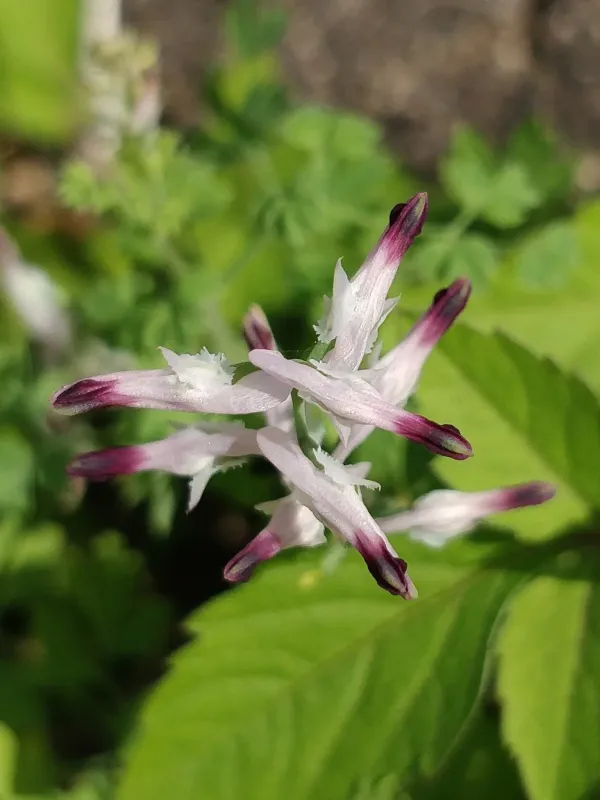
Fumaria sepium is an annual herbaceous plant belonging to the Papaveraceae family. It is characterized by its scrambling habit, allowing it to climb using its delicate, pinnate leaves and slender stems. The flowers are typically tubular, displaying soft purple or pink hues that bloom in clusters.
The plant is native to parts of Europe and the Caucasus, where it thrives in hedgerows, thickets, and forest margins. Its natural environment suggests that it prefers stable soil conditions with sufficient moisture and light shade, which protects the plant from excessive heat during the summer months.
In terms of soil requirements, Fumaria sepium grows best in loose, well-draining, and nutrient-rich soils. It does not tolerate waterlogging, which can easily induce root rot. Therefore, choosing a planting site with good drainage and adequate organic matter content is essential for a healthy crop.
Climatic requirements involve a moderate temperate environment. The plant prefers mild temperatures and dislikes intense, direct midday sun, which can cause wilting. In cultivation, managing moisture levels is crucial, as the plant relies on a consistent supply of water throughout its lifecycle.
The agricultural usage of Fumaria sepium is primarily linked to the pharmaceutical industry. The plant is harvested for its alkaloids, which are extracted for use in herbal preparations. It is often studied for its properties as a hepatoprotective and digestive stimulant, following the traditional medicinal use of the genus.
Main diseases and pests
Disease management is a key aspect of growing Fumaria sepium. The most common threats are fungal pathogens such as powdery mildew and leaf spot diseases. These are usually exacerbated by poor air circulation and high humidity levels around the foliage, making proper spacing between plants a priority.
Pest management focuses on controlling sap-sucking insects such as aphids. These pests not only weaken the plant by extracting nutrients but can also act as vectors for viral diseases. Regular monitoring and, if necessary, the application of organic insecticidal soaps are recommended to maintain plant health.