
Ensete lecongkietii
Ensete lecongkietii
Description
Growing requirements
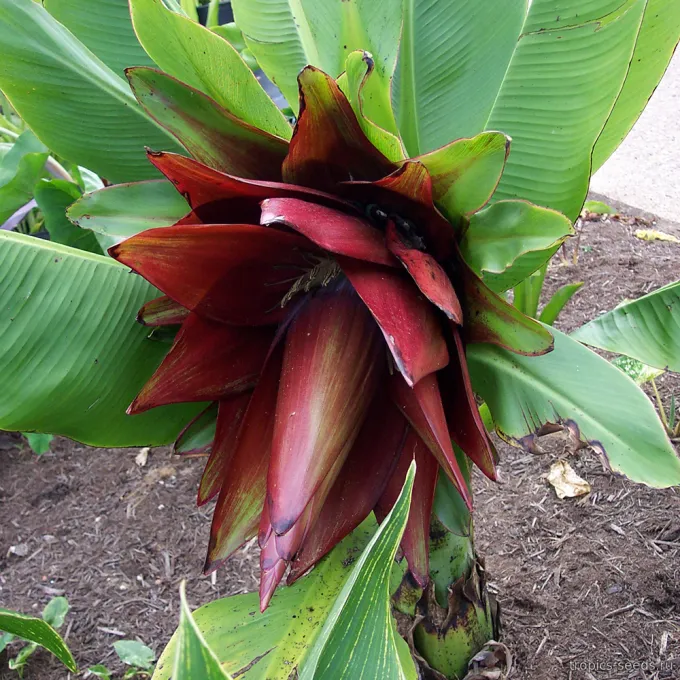
Ensete lecongkietii is a perennial herbaceous plant belonging to the Musaceae (banana) family. Originating from specific regions of Southeast Asia, this species is noted for its distinctive growth habit and structural beauty, making it a subject of interest for both botanists and exotic plant enthusiasts.
The cultural requirements for Ensete lecongkietii are strictly tropical. It demands consistently warm temperatures to thrive, as it lacks any significant cold tolerance. Growers must ensure that the ambient temperature remains well above freezing throughout the year to prevent physiological damage.
Soil management is critical for this species. It prefers nutrient-rich, well-draining loamy soils. While it requires substantial hydration during the active growing season, drainage must be sufficient to prevent the buildup of stagnant water, which is a primary cause of root rot in tropical Musaceae.
High humidity and shelter from harsh, drying winds are essential for the maintenance of the plant's large, delicate foliage. Providing diffused, bright light helps in sustaining vibrant growth without scorching the leaves, which can occur under direct, high-intensity sunlight.
In terms of хозяйственное использование (economic use), Ensete lecongkietii is primarily cultivated as an ornamental plant. Its impressive scale and architectural form make it an ideal centerpiece for botanical gardens, large conservatories, and specialized private collections focused on exotic tropical flora.
Main diseases and pests
The most significant threats to Ensete lecongkietii are fungal infections resulting from poor environmental management. Overwatering and inadequate ventilation often lead to the development of leaf spot diseases and stem rot, which can prove fatal if left untreated.
Pest issues are primarily centered around sap-sucking insects. Spider mites are the most common concern, especially in greenhouse environments where humidity levels might fluctuate. They quickly colonize the undersides of leaves, causing yellowing and tissue death.
Integrated pest management strategies are advised to keep the plant healthy. Regular inspections, particularly of the tight leaf axils and the base of the pseudo-stem, help identify outbreaks early, allowing for targeted treatment with horticultural oils or systemics.
Prevention is key, involving good hygiene practices such as removing dead leaf matter and ensuring that pots or planting areas have sufficient airflow. These simple steps create an environment less favorable for the spread of pathogens and pests.
Proper plant nutrition also plays a role in disease resistance. A balanced fertilization program during the growing season ensures the plant has the vitality required to withstand environmental stresses and recover from minor pest attacks effectively.