
Tristellateia
Tristellateia
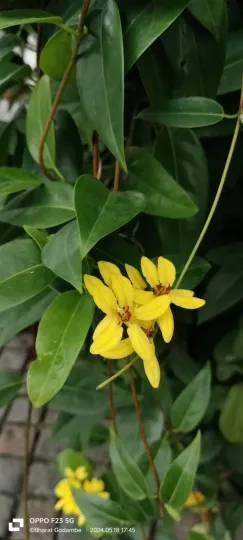
Description
Growing requirements
Tristellateia is a genus of evergreen vines belonging to the Malpighiaceae family. Native to tropical regions of Asia and Australia, these plants are known for their vigorous growth and attractive star-shaped floral structures that appear in dense racemes.
Cultivation of this species requires a tropical climate with temperatures consistently ranging from 18 to 28 degrees Celsius. In non-tropical regions, it must be grown in climate-controlled greenhouses or indoors, as it is highly susceptible to frost and cold stress.
The plant thrives in well-draining, nutrient-rich soil with a slightly acidic to neutral pH level. Proper drainage is essential for Tristellateia, as waterlogging can cause rapid root decay, which is the most common cause of plant loss in domestic settings.
Agronomic management includes providing robust support structures such as trellises or wires, as the plant is a natural climber. Regular pruning is recommended to maintain the desired shape, encourage branching, and stimulate the production of new flower buds during the growing season.
Tristellateia is primarily grown for ornamental purposes in botanical gardens and private collections. Its ability to cover vertical spaces rapidly makes it a valuable asset for creating lush foliage screens in conservatory environments where climate control is strictly maintained.
Main diseases and pests
Spider mites are the most frequent pest encountered in Tristellateia cultivation, thriving in dry, warm indoor environments. Maintaining proper humidity and using misting systems can significantly reduce the risk of spider mite infestation on the leaves.
Root rot, caused by excessive soil moisture and poor aeration, is a major threat to the long-term health of these vines. It is vital to ensure that the potting medium allows for excess water to escape immediately after irrigation sessions.
Scale insects can also infest the stems and undersides of leaves. Early detection is critical for control, and manual removal or the application of horticultural oils or systemic insecticides can prevent these populations from overwhelming the plant.
Nutritional deficiencies, such as iron or magnesium chlorosis, can occur if the soil pH becomes too alkaline, blocking the uptake of necessary micronutrients. Regular soil testing and the application of chelated fertilizers are standard agronomic solutions.
Good air circulation and moderate light exposure help bolster the plant's overall resilience against both fungal infections and insect outbreaks. A well-maintained Tristellateia is naturally quite hardy if its primary environmental needs are strictly met.