
Malpighia urens
Malpighia urens
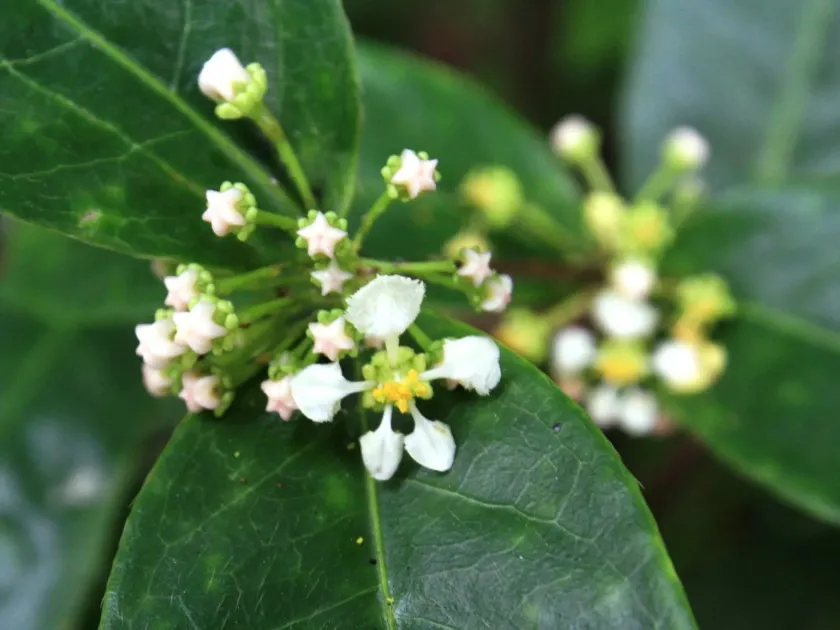
Description
Growing requirements
Malpighia urens is an evergreen shrub or small tree belonging to the Malpighiaceae family. It is native to Central and South America and the Caribbean, thriving primarily in tropical ecosystems.
The plant requires a frost-free climate to survive and flourish. It performs best in regions where temperatures remain consistently warm throughout the year, with ample sunlight exposure for optimal growth.
Soil requirements involve well-drained, fertile substrates that do not retain excess water. Proper soil aeration is vital, as the root system is highly susceptible to rot under waterlogged conditions.
High humidity is preferred for vegetative development. In arid regions, consistent irrigation and misting are necessary to prevent the plant from shedding flowers prematurely due to stress.
A notable botanical feature is the presence of stinging hairs on the leaves and stems. This physical defense mechanism protects the plant from various herbivores in its native environment.
Yield
The yield of Malpighia urens depends on effective horticultural management. With proper fertilization and regular pruning, a mature shrub can produce substantial crops twice a year.
Harvesting is labor-intensive because the fruit is delicate and bruises easily. Fruits must be picked manually when they reach the desired stage of ripeness to ensure quality.
The fruit is commercially valued for its extremely high vitamin C content and antioxidant properties. This makes the crop a sought-after raw material for the health supplement and beverage industries.
Post-harvest handling is critical. Because of the thin skin of the fruit, immediate cooling or processing is required to prevent rapid spoilage and degradation of bioactive compounds.
Yield optimization is achieved by balancing nitrogen levels for leaf growth with potassium applications to promote flowering and fruit set throughout the growing season.
Main diseases and pests
Fungal pathogens pose a significant threat to the health of the plant, especially in high-humidity areas where air circulation is restricted within the canopy.
Pests such as aphids, spider mites, and scale insects frequently infest tender shoots. Management involves integrated pest control strategies, including periodic inspection and biological or chemical treatments.
Root rot, driven by irrigation mismanagement, is a major cause of crop failure. Maintaining the correct moisture balance is the most effective preventative measure against soil-borne pathogens.
Nematode infestations can occur in sandy soils, weakening the plant's nutrient uptake. Using certified nursery stock and maintaining strict phytosanitary standards is recommended for commercial operations.
- Regular pruning to improve airflow
- Constant monitoring for early pest detection
- Use of efficient drainage systems
- Application of mulch to maintain soil temperature