
Cuban malpighia
Malpighia cubensis
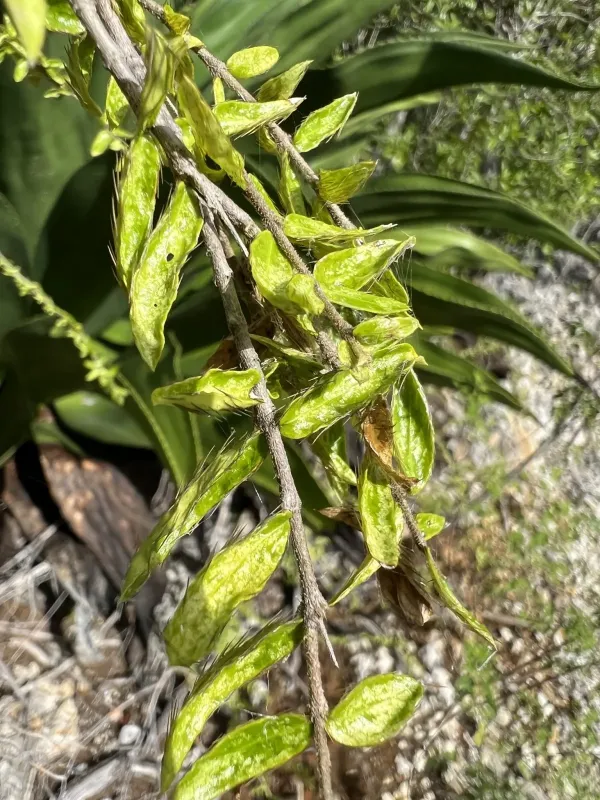
Description
Growing requirements
Cuban malpighia (Malpighia cubensis) is a perennial evergreen shrub belonging to the Malpighiaceae family. Native to Cuba and the surrounding Caribbean region, this plant thrives in tropical environments, typically found in areas with high humidity and consistent warmth throughout the growing season.
The climatic requirements for this species are strict, as it is a tropical plant that cannot withstand freezing temperatures. To ensure healthy growth, the environment must maintain temperatures between 22 and 30 degrees Celsius. Exposure to cold winds or frost can cause severe physiological damage or plant death.
Regarding soil and site selection, Malpighia cubensis prefers well-draining, fertile loamy soils with a slightly acidic to neutral pH. Proper soil structure is essential because the root system is highly susceptible to rot if stagnant water remains in the root zone for an extended period.
Agricultural practices for this culture include consistent watering during dry spells and the application of balanced fertilizers to support vigorous leaf development and fruiting. Pruning is often necessary to maintain the shrub's shape and encourage better airflow through the dense canopy, which reduces disease risk.
The economic potential of Cuban malpighia lies primarily in its utility as an exotic fruit-bearing plant and its aesthetic value in tropical landscaping. Its botanical structure, characterized by leathery leaves and delicate blossoms, makes it an attractive choice for ornamental gardens in suitable climate zones.
Main diseases and pests
The primary threats to this plant are soil-borne pathogens triggered by over-irrigation, such as Pythium and Phytophthora root rots. Insect pests, including scales and aphids, often infest the foliage and tender shoots, necessitating integrated pest management approaches to maintain the plant's health.