
Byrsonima coriacea
Byrsonima coriacea
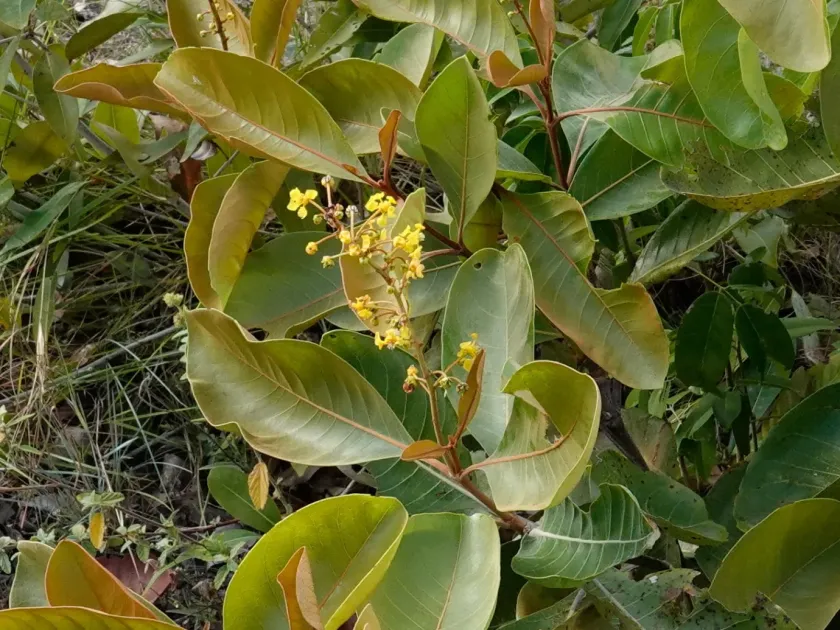
Description
Growing requirements
Byrsonima coriacea, belonging to the Malpighiaceae family, is a versatile evergreen tree or shrub native to tropical Central and South America. It is highly valued in its native range for its environmental adaptability.
The plant thrives in regions with warm tropical climates and requires full sunlight to achieve optimal growth and fruit production. It prefers well-drained soils and shows remarkable tolerance for nutrient-poor or acidic substrates.
Climatic requirements are strict regarding temperature; the plant is frost-sensitive and performs best in stable, frost-free environments. It is an excellent candidate for reforestation and enrichment planting in degraded tropical soils.
Water management is critical during the initial establishment phase. Once the root system is well-developed, the plant exhibits a degree of drought tolerance, although consistent moisture ensures better fruit yields.
In managed cultivation, soil aeration is important. Frequent weeding and the use of organic mulches help maintain soil moisture levels and promote healthy growth without the excessive use of synthetic fertilizers.
Main diseases and pests
Fungal pathogens represent the most significant threat to the crop, especially in areas with high annual rainfall. Good air circulation through regular pruning of the canopy is the most effective preventative measure.
Pest infestations, such as scale insects and leaf-miners, can cause localized damage. Integrated pest management, favoring biological controls and selective treatments, is recommended to minimize impact on the surrounding environment.
Harvesting
The harvest consists of small, rounded drupes that turn yellow or orange when ripe. These fruits are prized for their unique flavor profile and are commonly consumed fresh, or processed into juices, preserves, and local delicacies.
Due to the delicate nature of the ripe fruits, they are typically harvested by hand. Skilled pickers monitor the color change to ensure the fruit is collected at the peak of maturity for the best market quality.
Post-harvest handling focuses on preventing bruising and decay. Fruits are often distributed locally to maintain freshness, as they have a relatively short shelf life if kept at room temperature.
The plant also provides secondary benefits, including the use of its wood in rural construction and its role in supporting local pollinator populations, which contributes to overall ecosystem health.
Propagation is primarily done via seeds, which demonstrate high viability. Maintaining genetic diversity is an important aspect of preserving the different varieties found across its broad geographical distribution.