
Alpine rush
Juncus alpinoarticulatus
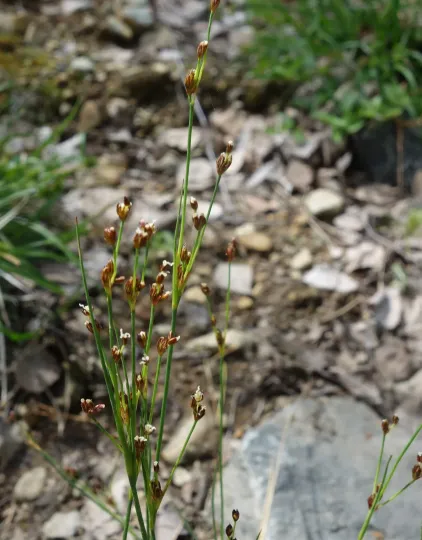
Description
Growing requirements
The alpine rush (Juncus alpinoarticulatus) is a perennial member of the Juncaceae family, characterized by its rhizomatous growth habit. It is fundamentally adapted to wetland ecosystems, thriving in water-logged conditions where soil oxygen levels are typically low.
This species is native to the cooler regions of the Northern Hemisphere, showing remarkable presence in alpine and sub-alpine zones. It is frequently found in meadows, lake margins, and areas with slow-moving water, adapting to high-altitude climates.
Botanical features include distinct jointed stems and inflorescences that produce small seeds. The plant’s structure is optimized for buoyancy and survival in flooded soils, displaying high tolerance to anaerobic conditions that would kill standard agricultural crops.
Regarding soil and climate requirements, the plant demands high moisture availability throughout the growing season. It performs best in acidic, nutrient-poor, and poorly drained soils, often acting as a pioneer species in wetland colonization.
In terms of хозяйственное (economic) utility, it is not grown for human consumption or intensive fodder production. Instead, it is valued in ecological engineering and land management for its role in riverbank stabilization and filtering water runoff.
Main diseases and pests
The main threats to the alpine rush involve various fungal pathogens that thrive in humid environments. Rust fungi and various leaf blights often target the plant during periods of high humidity and minimal air circulation.
Insects, such as specialized species of stem-boring beetles and weevils, can occasionally cause damage to the internal tissues of the plant, potentially compromising its structural integrity in dense, established populations.