
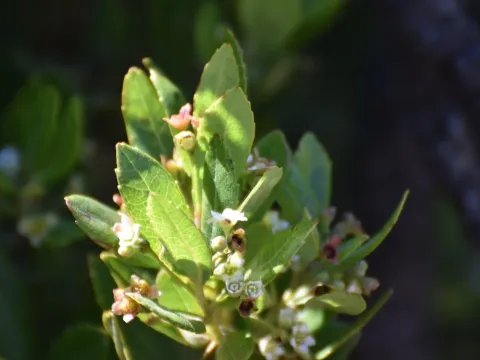
Gerrardina
Gerrardina
The genus Gerrardina consists of woody plants that are endemic to the southern parts of Africa. Classified within the family Gerrardinaceae, this plant occupies a distinct position in botanical classification due to its unique reproductive and morphological structures.
What the section contains

Gerrardina
In terms of climate, the plant thrives in subtropical environments where stable temperatures and moderate precipitation levels are observed throughout the growing season. It is naturally adapted to specific forest margins or scrubland environments within its native range.
Soil requirements for Gerrardina focus heavily on drainage and nutrient availability. The plant does not tolerate waterlogged soils, which often lead to root decay, so it is imperative to ensure that the planting site offers a porous, well-aerated structure.
Botanically, Gerrardina exhibits slow growth patterns and forms a dense, shrubby habit. Its leaves are structurally adapted to the region's climate, allowing the plant to maintain a balance between photosynthesis and transpiration during drier, warmer intervals.
From an agricultural and botanical perspective, this plant is primarily valued for its evolutionary uniqueness rather than large-scale commercial cultivation. Ongoing research continues to examine its potential role in ecosystems and the taxonomic complexities of the Gerrardinaceae family.