
Roundleaf rattlebox
Crotalaria rotundifolia
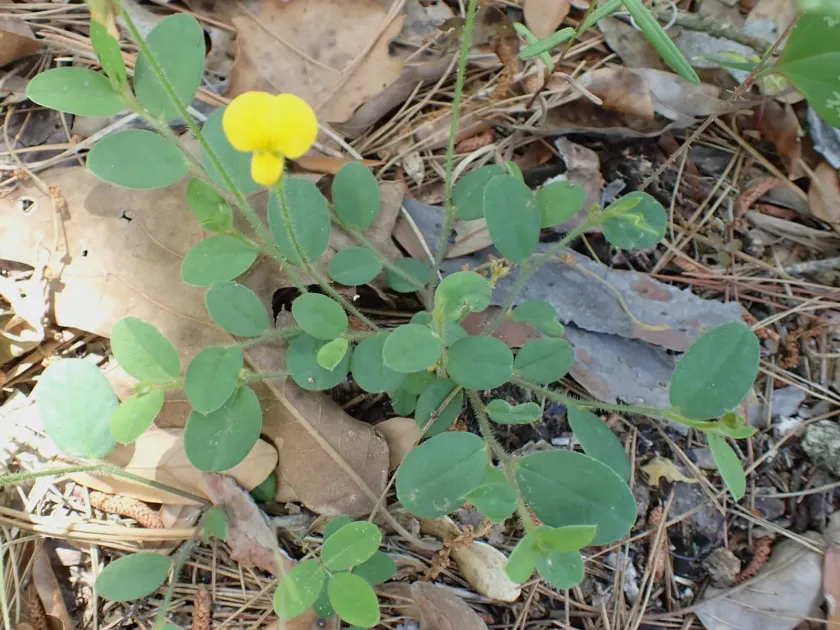
Description
Sowing dates
Roundleaf rattlebox is typically planted when soil temperatures are consistently above 15 degrees Celsius. It thrives in warm weather, making late spring the ideal time for sowing to ensure optimal germination and early growth.
Seeds should be planted at a shallow depth, usually between 1 to 2 centimeters. Ensuring proper soil contact with the seeds is vital, especially in sandy soils where moisture retention can be lower at the surface layer.
The sowing density depends on the purpose of the crop; higher densities are preferred when the plant is used for weed suppression or as a thick cover crop. Row spacing should be tailored to the local equipment and moisture conditions.
In many regions, this plant is used as a short-season cover crop. It can be easily integrated into rotations between primary cash crops to improve the overall structure and fertility of the field soil.
No special pre-treatment of the seeds is usually required, although ensuring the presence of appropriate rhizobia bacteria in the soil can significantly boost nitrogen fixation efficiency after germination.
Growing requirements
This species excels in well-drained, sandy, or loamy soils. It is particularly valued in agricultural systems for its ability to grow and produce significant biomass on poor-quality soils where other crops struggle.
Full sun exposure is critical for the development of roundleaf rattlebox. While it can tolerate partial light, maximum solar exposure is required to achieve the nitrogen-fixing potential and high yield characteristic of the species.
It is highly drought-tolerant once established, which makes it an excellent choice for regions prone to dry spells. The deep root system allows the plant to sustain growth even during extended periods without rainfall.
As a member of the Fabaceae family, it naturally forms symbiotic relationships with soil bacteria to fix nitrogen. This process enhances the availability of soil nutrients for subsequent crops in the rotation cycle.
The plant prefers neutral to slightly acidic soil conditions. While it is quite adaptable, extreme alkalinity should be avoided, as it can inhibit the effectiveness of the root nodules and cause stunted development.
Main diseases and pests
The primary pests affecting roundleaf rattlebox include various foliage-feeding insects and caterpillars. Regular monitoring during the early vegetative stage is essential to prevent extensive damage to the young canopy.
Root rots represent the main disease concern, particularly when the crop is subjected to waterlogged conditions or poor soil drainage. Maintaining good soil aeration is the most effective preventative measure.
In some agricultural contexts, nematodes can impact the roots. Practicing proper crop rotation helps in breaking the pest cycle and ensures the long-term health of both the crop and the field soil.
Viral infections can occasionally occur, often transmitted by sap-sucking insects. Controlling weed hosts around the field perimeter can significantly reduce the risk of disease transmission into the crop.
Integrated pest management strategies are recommended. Using cultural and biological controls is generally preferred over heavy chemical applications to maintain the soil's natural microbial balance.
Harvesting
The optimal time for harvesting as green manure is during the early flowering stage. Harvesting at this point ensures the plant has maximum nitrogen content and that the biomass is tender enough to break down rapidly.
Mechanical shredding or mowing is the standard method for incorporating the crop into the soil. Shredded plant tissue decomposes significantly faster than whole stems, allowing for efficient nutrient release.
Once mowed, the biomass should be lightly disked into the top 10-15 centimeters of soil. This depth provides enough moisture and microbial activity for the plant material to be converted into valuable organic matter.
For seed production, the plants should be harvested when the pods are fully mature and dry. Immediate processing is required to prevent the pods from shattering in the field, which can result in significant seed loss.
Properly dried seeds should be stored in cool, dry conditions. Maintaining low humidity in storage prevents fungal growth and helps ensure high germination rates for the following planting season.