
Andira galeottiana
Andira galeottiana
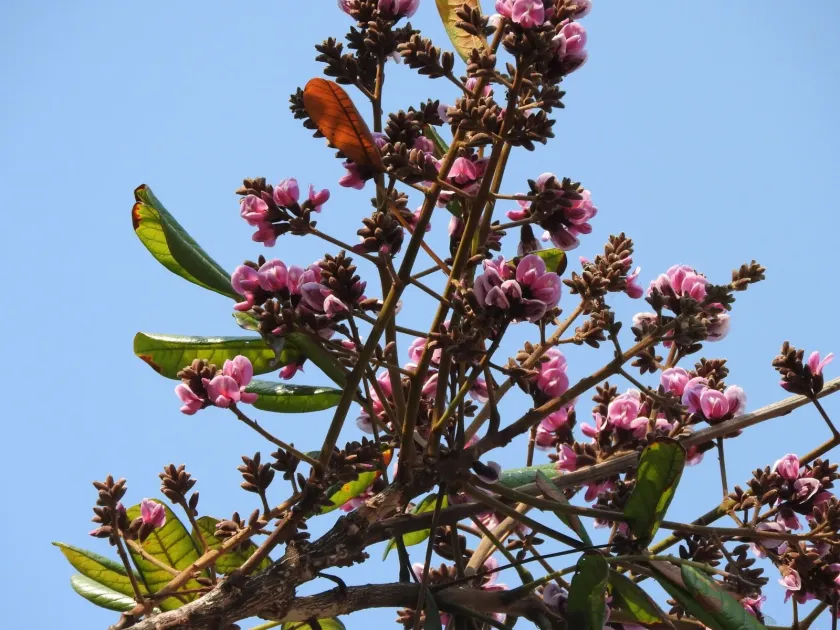
Description
Growing requirements
Andira galeottiana is a significant tree species belonging to the legume family, Fabaceae. It is native to the tropical forests of Mexico and Central America, where it thrives as a prominent component of the forest canopy, characterized by its impressive height and dense foliage.
This species requires deep, fertile, and well-drained soils to support its extensive root system. It thrives in high-humidity environments and is intolerant to prolonged waterlogging, which necessitates careful site selection and the implementation of effective drainage systems in managed plantations.
Climate requirements for this plant are strictly tropical, demanding constant temperatures and minimal seasonal variation. Exposure to frost or prolonged dry seasons can significantly impair the physiological health of the tree, potentially leading to stunted growth or total failure of the crop.
Agrotechnical practices involve regular canopy management and thinning to ensure optimal light interception and air circulation. Maintaining proper spacing during the early stages of planting is crucial to minimize competition for resources and promote healthy structural development of the main stem.
The economic value of Andira galeottiana is primarily attributed to its high-density timber, which is prized for its durability and resistance to decay. It is widely utilized in fine woodworking, construction, and high-end furniture manufacturing, reflecting its status as a valuable commercial forest resource.
Main diseases and pests
The primary biological threats to this species include various fungal pathogens that flourish in high-moisture tropical environments. These pathogens typically attack the foliage, causing premature senescence and reducing the photosynthetic efficiency of the tree.
Boring insects represent a major threat to the commercial quality of the wood. These pests penetrate the bark and bore into the sapwood and heartwood, creating galleries that compromise the structural integrity and aesthetic value of the timber produced by the trees.
Root system health can be compromised by poor soil management, specifically in areas with fluctuating water tables that trigger decay. Maintaining an appropriate soil pH and ensuring the presence of beneficial mycorrhizal fungi are essential for enhancing the plant's natural resistance.
Invasive weeds can pose a significant challenge during the sapling stage by outcompeting the tree for soil nutrients and sunlight. Regular mechanical weeding and the application of mulch are recommended to provide the young trees with a competitive advantage during their establishment phase.
Environmental stress factors, such as extreme weather events like tropical storms, can cause mechanical damage to the branches. Proper pruning and the selection of wind-sheltered planting sites are critical strategies for mitigating these risks in forest management operations.