
Tung oil tree
Vernicia fordii
Description
Sowing dates
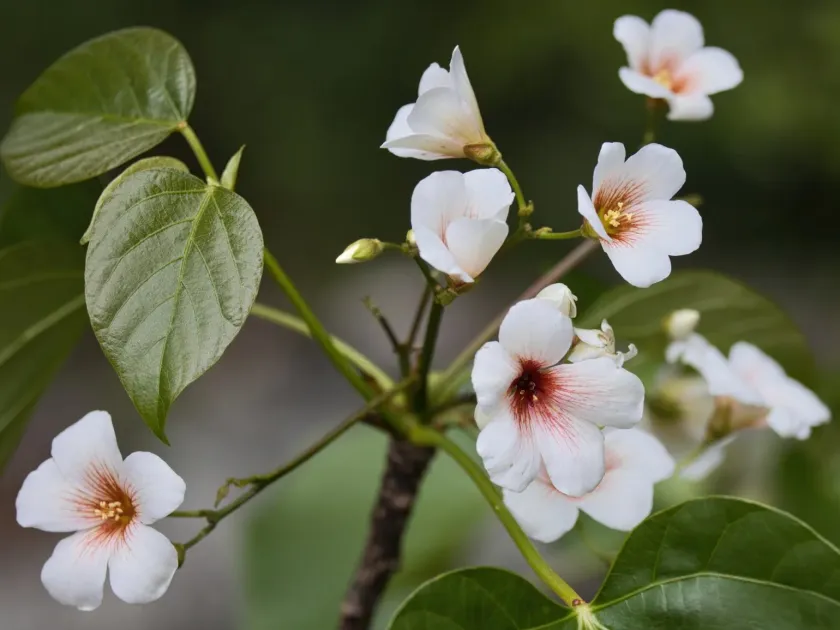
The Tung oil tree (Vernicia fordii) is a significant subtropical species belonging to the Euphorbiaceae family, widely cultivated for its high-quality drying oil.
Propagation is primarily achieved through seeds sown in nurseries, followed by careful transplanting of seedlings once they reach a suitable size for field planting.
Field establishment is best performed during the tree's dormancy period, typically in early spring, ensuring sufficient spacing between rows for canopy development.
This species is deciduous and goes through a pronounced winter dormancy, which dictates the scheduling of essential maintenance tasks such as pruning and fertilization.
Modern commercial orchards focus on high-yield cultivars that demonstrate improved environmental adaptability and resistance to climatic fluctuations.
Growing requirements
Tung trees thrive in warm, subtropical climates with sufficient annual rainfall, as they are highly sensitive to frost during the flowering period.
They prefer well-drained, slightly acidic to neutral loamy soils. Stagnant water is detrimental to the root system, often leading to rapid decline or fungal infections.
Optimal site selection involves choosing areas with high solar exposure while protecting the trees from heavy winds, which can damage brittle branches.
Adequate soil moisture is crucial during the fruit-setting stage; however, excessive humidity towards the end of the season can interfere with proper wood maturation.
Soil management must focus on nutrient balance to prevent micronutrient deficiencies, which are often manifested through leaf chlorosis and stunted tree growth.
Yield
Commercial yields typically commence between the 4th and 6th year after planting, with the tree reaching full production maturity at approximately 12–15 years.
The fruit is a spherical capsule containing several seeds. The extraction of tung oil is the primary motivation for large-scale agricultural investment in this species.
Tung oil is highly valued in the chemical industry due to its quick-drying properties, forming a durable, water-resistant, and corrosion-proof finish.
Industrial applications include the production of specialized paints, varnishes, wood treatments, printing inks, and high-quality electrical insulation materials.
The byproduct of seed processing is a meal that, while toxic to livestock, serves as a nitrogen-rich organic fertilizer for agricultural soils.
Main diseases and pests
Fungal diseases, including leaf spot and root rot, represent the most significant threat to Tung orchards, especially in areas with poor drainage and high moisture.
Insect pests such as scale insects and aphids can weaken the trees, making them more susceptible to opportunistic pathogens and reducing overall fruit production.
Integrated pest management is essential, combining preventive sanitary pruning with targeted fungicide and insecticide applications during critical growth stages.
Regular orchard monitoring is necessary to identify disease outbreaks early, allowing for localized treatments that reduce chemical dependency.
Maintaining optimal tree density and proper aeration within the canopy is a critical cultural practice for reducing the incidence of moisture-related diseases.
Harvesting
Harvesting is typically conducted after the fruit reaches maturity and naturally drops from the tree to the orchard floor, facilitating collection.
Post-harvest management involves drying the capsules in well-ventilated areas to reduce moisture content, which is vital to prevent mold growth on the seeds.
Quality control during drying is essential, as elevated moisture levels can lead to chemical degradation and a reduction in the final oil quality.
The seeds are separated from the hulls using mechanized hulling equipment before being transported to processing facilities for oil extraction.
Timely harvest ensures that the raw material retains its optimal chemical composition, satisfying the stringent requirements of the protective coatings industry.